


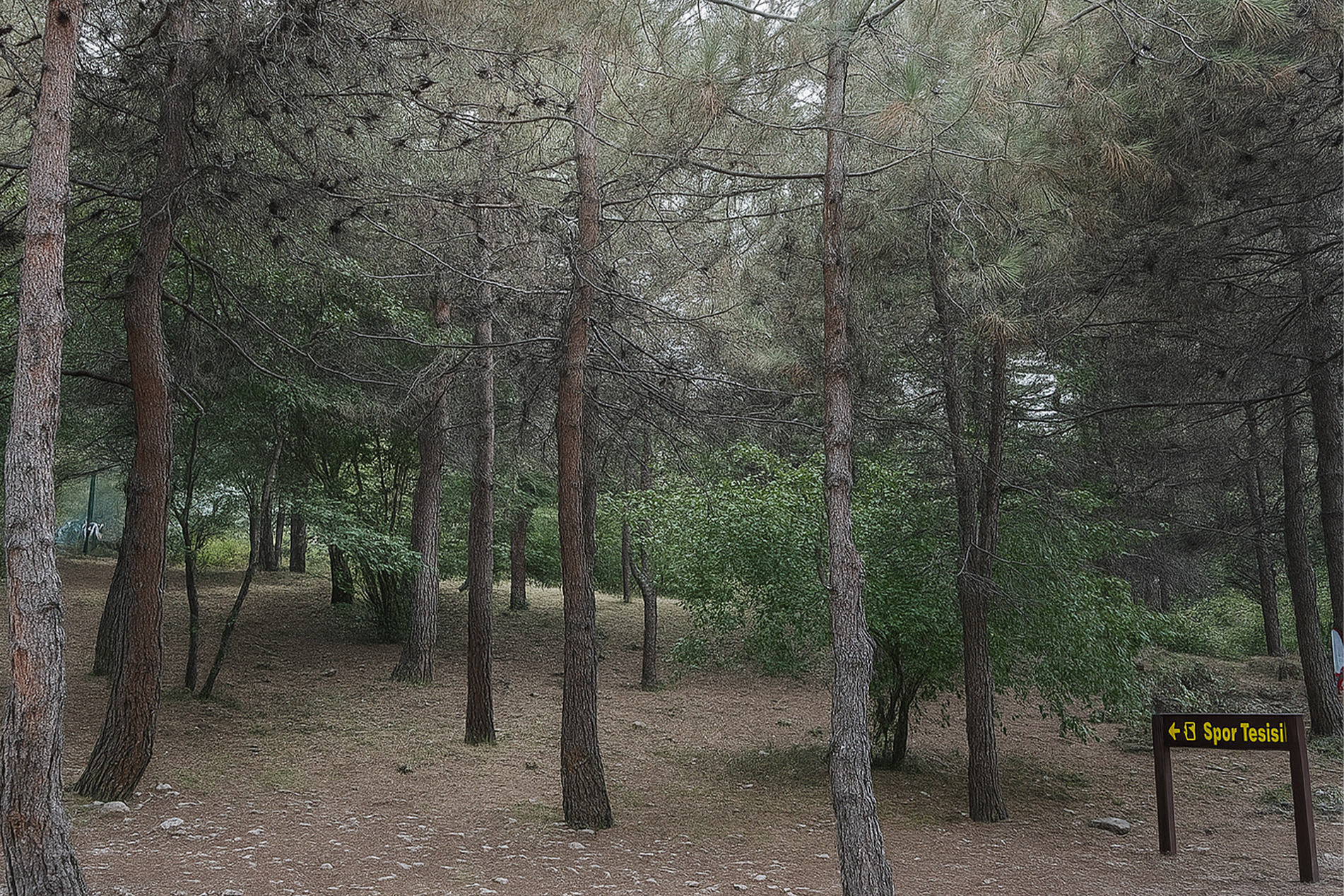
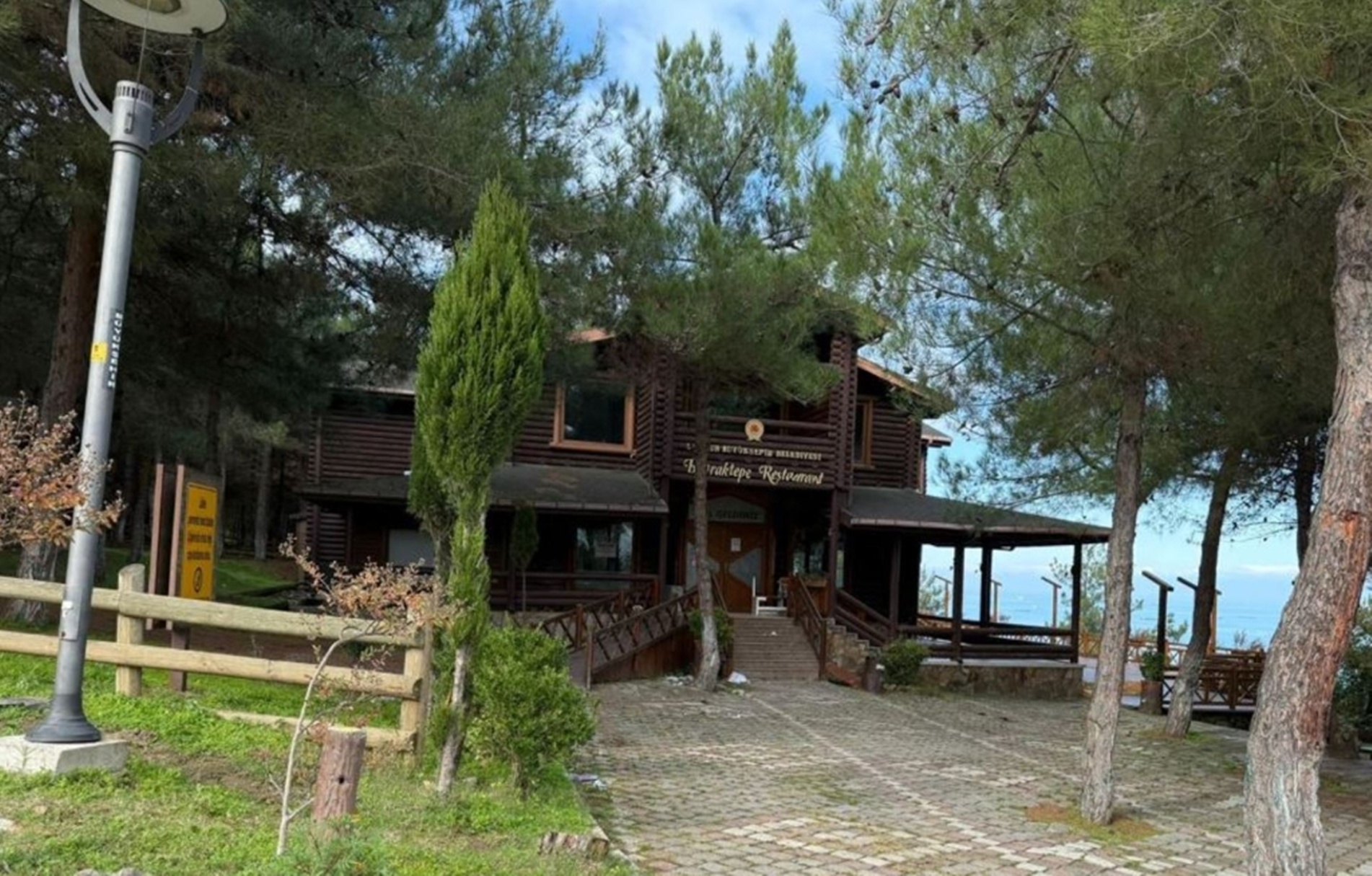
Bayrak Tepe Tabiat Parkı
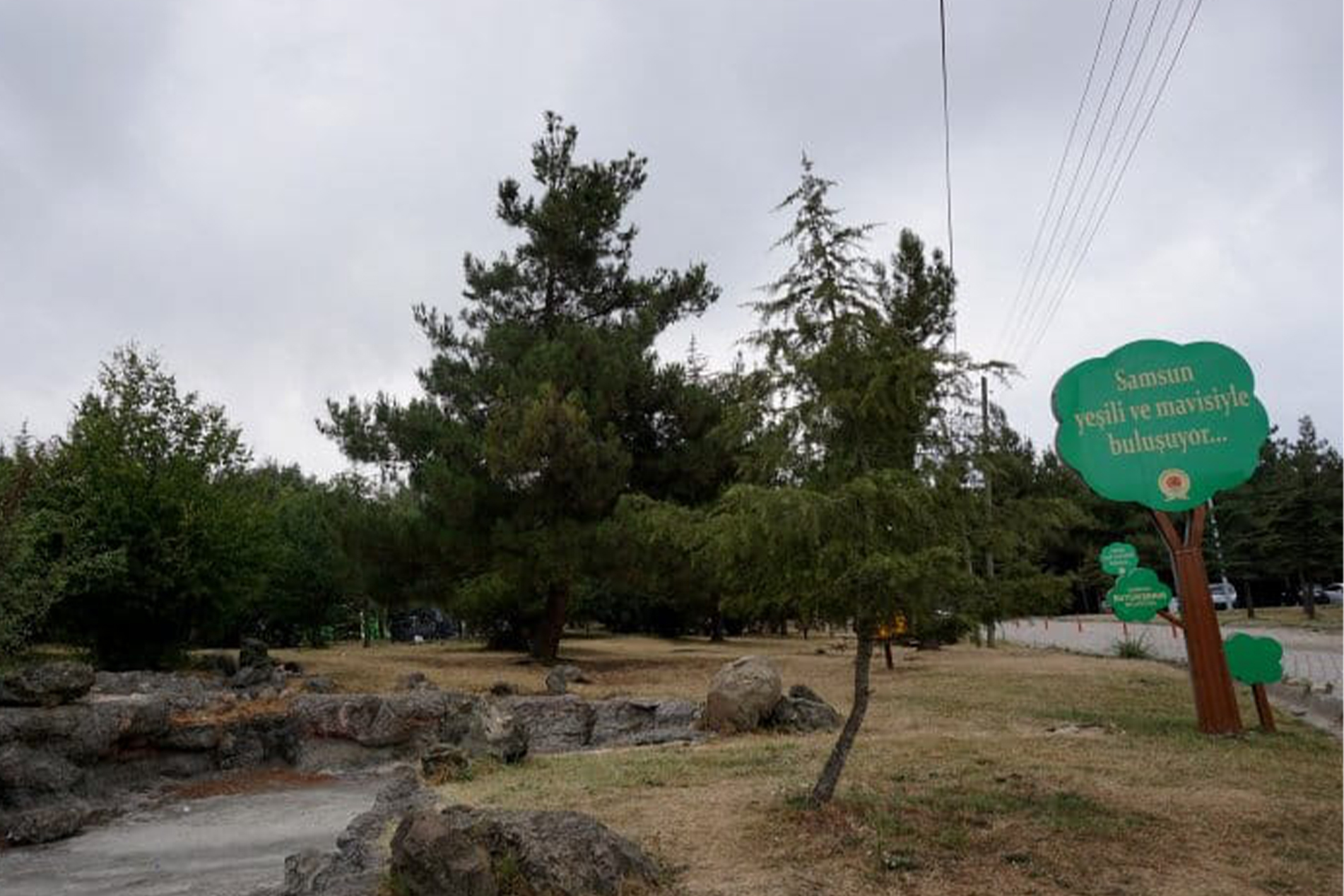
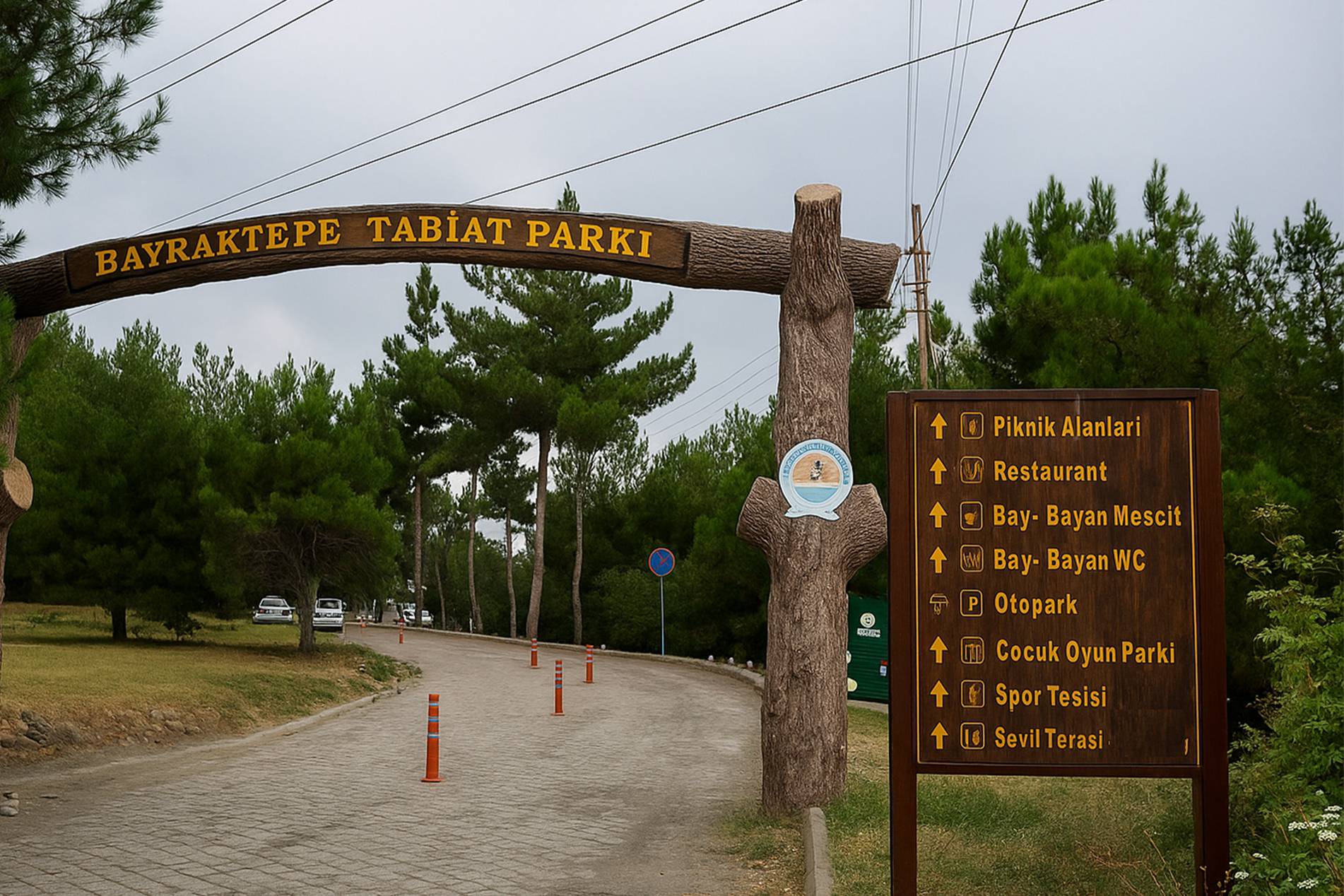
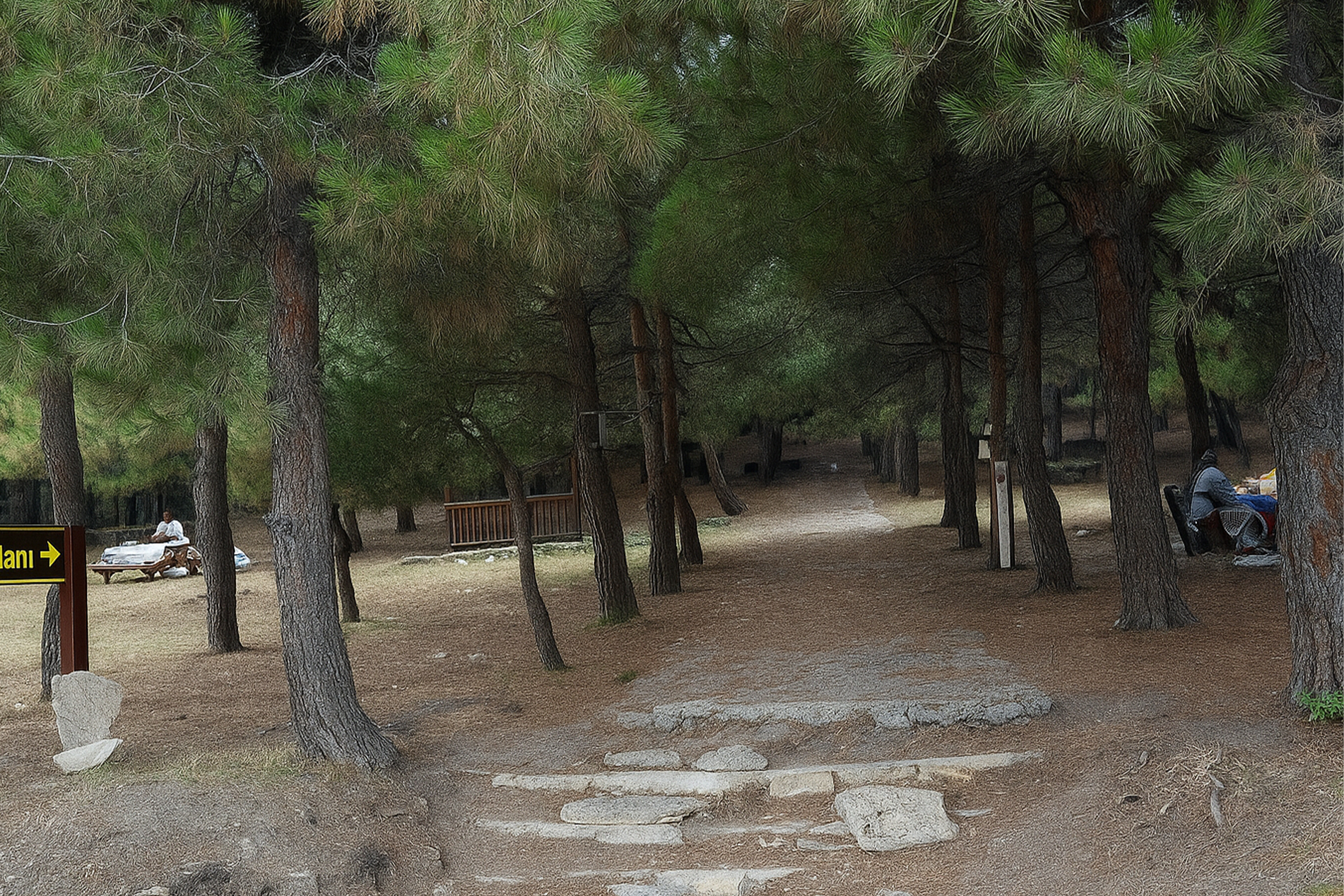
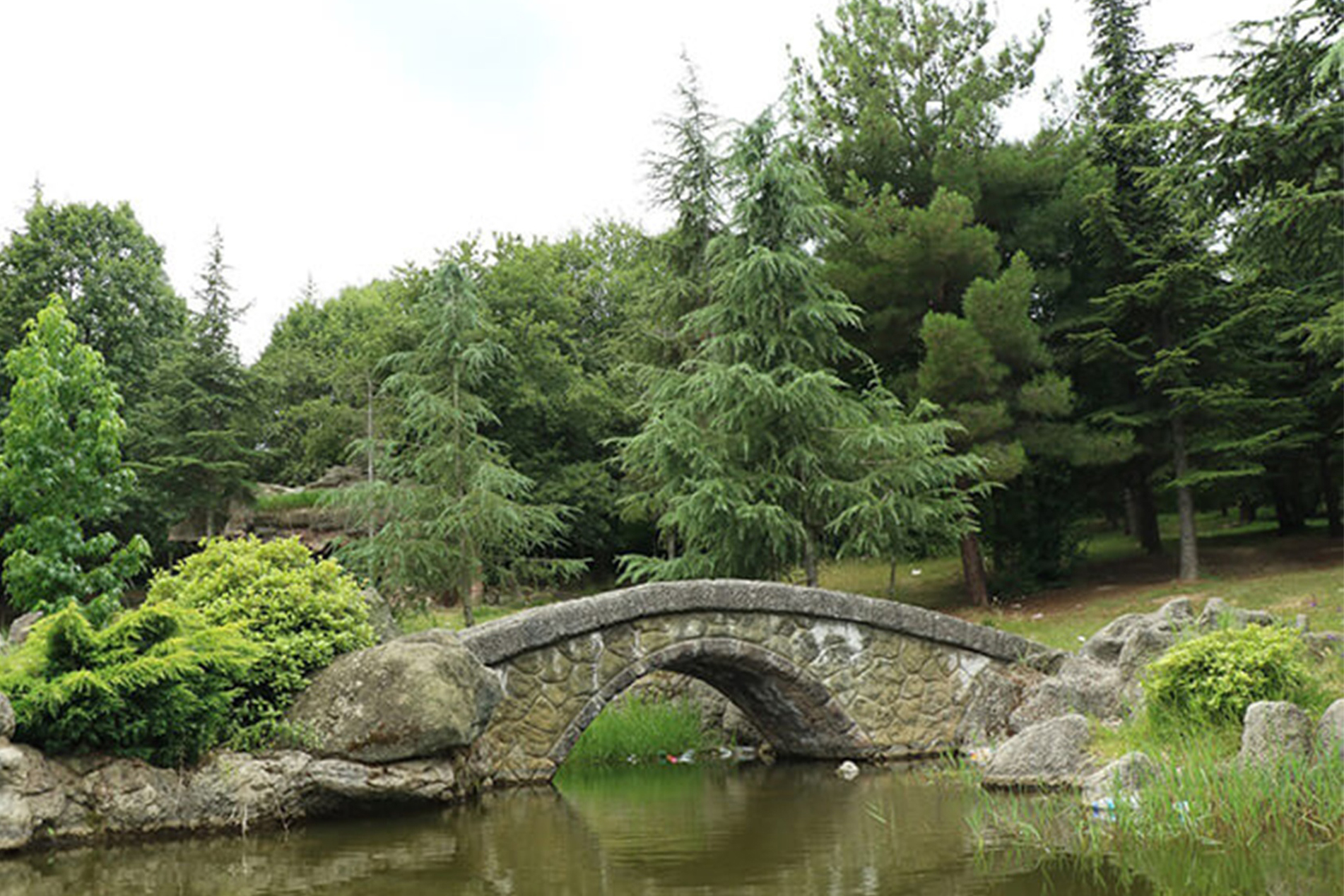
Samsun’un en yüksek noktalarından birinde yer alan Bayrak Tepe Piknik Alanı, şehri kuş bakışı izleyerek doğayla buluşmak isteyenler için uygun bir alandır . Alanda mangal yapılabilecek yerler ve piknik masaları bulunmaktadır. Çocuklar için özel oyun alanları da bulunan Bayrak Tepe, ailelerin rahat vakit geçirebileceği güvenli bir ortam sunmaktadır. Bayrak Tepe Tabiat Parkı okul dışı öğrenme ortamları olarak öğrencilerin doğayla doğrudan etkileşime geçmesini sağlayan son derece zengin ve etkili bir alandır. Öğrenciler, bitki ve hayvan çeşitliliğini yerinde gözlemleme, ekosistemlerin işleyişini anlama ve doğal döngüleri keşfetme imkânı elde ederler. Tabiat parkındaki yürüyüş yolları, göletler, ormanlık alanlar ve gözlem noktaları öğrencilerin çevre bilinci kazanmasını, doğayı koruma sorumluluğunu hissetmesini ve sürdürülebilirlik kavramını daha iyi anlamasını sağlar. Ayrıca doğa içinde gerçekleştirilen grup etkinlikleri, takım çalışması, iletişim, problem çözme ve liderlik gibi sosyal becerilerin gelişimine katkıda bulunur.
Konum
Adres: Kirazlık, Asarağaç, Tekkeköy, Samsun, Karadeniz Bölgesi, 55310, Türkiye
Ziyaret Gün ve Saatleri
Aşağıda belirtilen gün ve saatler arasında ziyarete açıktır.
Erişilebilirlik Özellikleri
Engelsiz erişim imkânlarının ve rehber hizmetlerinin bulunup bulunmadığı bilgisine yer verilmiştir.
- Engelsiz Erişim
- Rehberlik Hizmeti
Ziyaret Notları
Bayraktepe Tabiat Parkı randevu alınmadan ziyaret edilebilmektedir ancak park girişinde ulaşım araçlarının boyutuna göre ücret ödenmektedir. Ziyaret alanında ücretli kafe ve restoran, çocuk park alanları mevcuttur. Ziyaretçiler piknik alanından da faydalanabilir, kamp yapabilirler. Ziyaret sırasında güvenlik için öğrenciler gruplara ayrılmalı ve her grubun başına sorumlu bir öğretmen ya da rehber verilmelidir. Parktaki yürüyüş rotaları önceden belirlenmeli, tehlikeli alanlara (dik yamaçlar, kaygan zeminler, su kenarları) yaklaşılmamalı ve öğrencilerin kontrolsüz biçimde dağılmasına izin verilmemelidir. Yoklama düzenli olarak alınmalı ve toplanma noktaları belirlenmiş olmalıdır. Sağlık açısından ilk yardım çantası mutlaka hazır bulundurulmalı; alerjisi, kronik rahatsızlığı veya özel durumu olan öğrencilerin bilgileri sorumlu öğretmenlerle paylaşılmalıdır. Güneş kremi, şapka, su ve mevsime uygun kıyafet kullanımı teşvik edilmelidir. Uzun yürüyüşlerde düzenli molalar verilmeli ve öğrencilerin su tüketimi takip edilmelidir. Böcek sokmalarına karşı gerekli önlemler alınmalı ve bitki örtüsünün yoğun olduğu bölgelerde öğrencilerin dikkatli hareket etmesi sağlanmalıdır. İletişim ve organizasyon açısından öğretmenler arasında bir iletişim ağı kurulmalı, öğrencilerin üzerinde iletişim bilgisi veya gezi kartı bulundurması sağlanmalıdır. Olası acil durumlar için en yakın sağlık birimi, güvenlik noktası ve park görevlilerinin iletişim bilgileri önceden öğrenilmelidir.
İletişim Bilgileri
Öğrenme Çıktıları
- SAB.11. Merak ettiği coğrafi olay/ olgu ve mekân/durumlara yönelik sorular sorabilme
- SAB.12. Coğrafi gözlem ve saha çalışmasını gerçekleştirebilmek için gerekli olan hazırlığı yapabilme
- SAB.13. Coğrafi gözlem ve çalışma sahasında planlanan çalışmaları uygulayabilme
- SAB.14. Coğrafi gözlem ve çalışma sahasından elde edilen sonuçları sözlü/görsel yolla raporlaştırabilme
- FAB.1. Günlük yaşamında fene yönelik olaylara/olgulara ve durumlara yönelik bilimsel gözlem yapabilme
- FAB.3. Günlük yaşamında fen olaylarına yönelik bilimsel gözleme dayalı tahminlerde bulunabilme
- FAB. 7. Günlük hayatındaki fene yönelik olaylar hakkında gözlemlerine dayalı basit düzeyde bilimsel çıkarımlar yapabilme
- HSAB.1. Farklı çevre ve fiziksel etkinliklerde büyük kas becerilerini etkin bir şekilde uygulayabilme
- HSAB.2. Farklı ebat ve özellikteki nesneleri etkin bir şekilde kullanabilme
- HSAB.3. Jimnastik, dans ve hareket etkinliklerinde ritmik beceriler sergileyebilme
- HSAB.4. Beden farkındalığına dayalı hareket edebilme
- HSAB.5. Kişisel ve genel alanın farkında olarak hareket edebilme
- HSAB.7. Günlük yaşamında sağlıklı beslenme davranışları gösterebilme
- HSAB.8. Aktif ve sağlıklı yaşam için gereken zindelik becerilerinin neler olduğunu söyleyebilme
- HSAB.9. Aktif ve sağlıklı yaşam için hareket edebilme
- HSAB.10. Sağlıklı yaşam için temizliğe ve düzene dikkat edebilme
- HSAB.11. Tehlike ve kaza durumlarına karşı kendini koruyabilme
- HSAB.12. Hareketli oyunların temel kurallarını açıklayabilme
- HSAB.13. Hareketli oyunlara özgü basit taktik ve strateji geliştirebilme
- HSAB.14. Hareketli oyunlarda liderliği deneyimleme
- HB.1.2.1. Sağlıklı büyüme ve gelişme için yapması gerekenleri belirleyebilme
- HB.1.2.4. Acil durumlarda yapılması gerekenleri belirleyebilme
- HB.1.5.1. Yakın çevresinde bulunan doğadaki varlıkları gözlemleyebilme
- HB.1.4.1. Yaşadığı yerin ve ülkemizin genel özelliklerini açıklayabilme
- T.D.1.2. Dinledikleri/izledikleri ile ilgili anlam oluşturabilme
- T.D.1.3. Dinlediklerini/izlediklerini çözümleyebilme
- HB.2.2.1. Sağlıklı büyüme ve gelişme ile alışkanlıkları arasındaki ilişkiyi çözümleyebilme
- HB.2.2.2. Kişisel alanının sınırlarını koruyabilme
- HB.2.2.4. Acil bir durumda yetkililerle etkili iletişim kurabilme
- HB.2.5.1. Hava olayları ve mevsimler arasındaki ilişkiyi çözümleyebilme
- HB.2.5.2. Doğadan yararlanarak yönünü belirleyebilme
- HB.2.5.3. Afetlere karşı alınması gereken önlemlere ilişkin bilgi toplayabilme
- HB.2.4.1. Yakın çevresinde bulunan tarihî mekân ve doğal güzellikleri belirleyebilme
- HB.3.2.1. Sağlığını korumaya yönelik davranışlarını düzenleyebilme
- HB.3.2.2. Güvenliğini tehdit eden bir durumla karşılaştığında yapması gerekenleri sorgulayabilme
- HB.3.5.1. Doğadaki varlıkların insan yaşamı için önemini yorumlayabilme
- HB.3.5.2. Krokiyi kullanarak bulunduğu yerin konumunu algılayabilme
- HB.3.5.3. Afetlere yönelik yapılması gerekenleri sınıflandırabilme
- HB.3.4.1. Yakın çevresindeki tarihî mekân ve doğal güzelliklerin korunmasının önemini fark edebilme
- SB.4.3.3. Yakın çevresindeki ortak miras ögelerini tanımanın önemini yorumlayabilme
- FB.4.2.1. Besin içeriklerini ayırt etmek için deney yapabilme
- FB.4.2.2. Besinlerde vitamin ve/veya mineral bulunduğuna ilişkin genelleme yapabilme
- FB.4.2.3. Besinlerin işlevleri ile ilgili hipotez oluşturabilme
- FB.4.8.1. Sürdürülebilir bir yaşam alanı kurmaya ilişkin bilimsel sorgulama yapabilme
- ENG.5.4.L1. Students can get ready for the listening/watching-comprehension process for the current content on “family life with family members’ routines; family members’ hobbies and activities” carefully.
- ENG.5.4.L2. Students can bring information about the current content on “family life with family members’ routines; family members’ hobbies and activities” together through significant details and main components while listening/watching it.
- ENG.5.4.L3. Students can make meaning of/derive meaning from the current content on “family life with family members’ routines; family members’ hobbies and activities” through significant details by listening/watching it carefully.
- ENG.5.4.L4. Students can convey their knowledge, experience, thoughts, and feelings examined carefully about the whole listening/watching-comprehension process in relation to the current content on “family life with family members’ routines; family members’ hobbies and activities”.
- ENG.5.4.P1. Students can select and use the target phonological elements of the current content about “family life with family members’ routines; family members’ hobbies and activities” accurately, authentically, and naturally through spontaneous decision-making processes and use it in an appropriate and effective way when communicating with others.
- ENG.5.4.R1. Students can get ready for the writing-comprehension process about the current content on “family life with family members’ routines; family members’ hobbies and activities”.
- ENG.5.4.R2. Students can bring information about the current content on “family life with family members’ routines; family members’ hobbies and activities” through skimming (looking quickly at) the audio-visual elements and reading the content very quickly.
- ENG.5.4.R3. Students can make meaning of / derive meaning from the current content about “family life with family members’ routines; family members’ hobbies and activities” by reading it carefully.
- ENG.5.4.R4. Students can convey their knowledge, experiences, thoughts, and feelings related to the reading-comprehension process about the current content, “family life with family members’ routines; family members’ hobbies and activities” in relation to themselves or others, both individually and/or with others.
- ENG.5.4.V1. Students can select and use the target vocabulary of the current content about “family life with family members’ routines; family members’ hobbies and activities” accurately, authentically, spontaneously, and naturally and use it appropriately and effectively when communicating with others.
- ENG.5.4.G1. Students can select and use the target grammatical elements of the current content about “family life with family members’ routines; family members’ hobbies and activities” accurately, authentically, spontaneously, and naturally and use it appropriately and effectively when communicating with others.
- ENG.5.4.W1. . Students can get ready for the writing-expression process about the current content on “family life with family members’ routines; family members’ hobbies and activities”.
- ENG.5.4.S1. Students can get ready for speaking-expression process about the current content on “family life with family members’ routines; family members’ hobbies and activities”.
- ENG.5.5.L1. Students can get ready for the listening/watching-comprehension process for the current content on “life in the neighbourhood and city with places for recreation and attractions in the neighbourhood and city ; different types of houses” carefully.
- ENG.5.5.L2. Students can bring information about the current content on “life in the neighbourhood and city with places for recreation and attractions in the neighbourhood and city ; different types of houses” together through significant details and main components while listening/ watching it.
- ENG.5.5.L3. Students can make meaning of/derive meaning from the current content on “life in the neighbourhood and city with places for recreation and attractions in the neighbourhood and city ; different types of houses” through significant details by listening/watching it carefully.
- ENG.5.5.L4. Students can convey their knowledge, experience, thoughts, and feelings examined carefully about the whole listening/watching-comprehension process in relation to the current content on “life in the neighbourhood and city with places for recreation and attractions in the neighbourhood and city ; different types of houses”.
- ENG.5.5.P1. Students can select and use the target phonological elements of the current content about “life in the neighbourhood and city with places for recreation and attractions in the neighbourhood and city ; different types of houses” accurately, authentically, and naturally through spontaneous decision-making processes and use it in an appropriate and effective way when communicating with others.
- ENG.5.5.R1. Students can get ready for the reading-comprehension process about the current content on “life in the neighbourhood and city with places for recreation and attractions in the neighbourhood and city ; different types of houses”.
- ENG.5.5.R2. Students can bring information about the current content on “life in the neighbourhood and city with places for recreation and attractions in the neighbourhood and city ; different types of houses” through skimming (looking quickly at) the audio-visual elements and reading the content very quickly.
- ENG.5.5.R3. Students can bring information about the current content on “life in the neighbourhood and city with places for recreation and attractions in the neighbourhood and city ; different types of houses” through skimming (looking quickly at) the audio-visual elements and reading the content very quickly.
- ENG.5.5.R4. Students can convey their knowledge, experiences, thoughts, and feelings related to the reading-comprehension process about the current content, “life in the neighbourhood and city with places for recreation and attractions in the neighbourhood and city ; different types of houses” in relation to themselves or others, both individually and/or with others.
- ENG.5.5.V1. Students can select and use the target vocabulary of the current content about “life in the neighbourhood and city with places for recreation and attractions in the neighbourhood and city ; different types of houses” accurately, authentically, spontaneously, and naturally and use it appropriately and effectively when communicating with others.
- ENG.5.5.W2. Students can understand the model/example for the writing task about the current content on “life in the neighbourhood and city with places for recreation and attractions in the neighbourhood and city ; different types of houses”.
- ENG.5.5.S1. Students can get ready for speaking-expression process about the current content on “life in the neighbourhood and city with places for recreation and attractions in the neighbourhood and city ; different types of houses”.
- ENG5.7.L1. Students can get ready for the listening/watching-comprehension process for the current content on “life in nature with types of animals in nature; wild animals in nature; their habitats” carefully.
- ENG5.7.L2. Students can bring information about the current content on “life in nature with types of animals in nature; wild animals in nature; their habitats” together through significant details and main components while listening/watching it.
- ENG5.7.L3. Students can make meaning of/derive meaning from the current content on “life in nature with types of animals in nature; wild animals in nature; their habitats” through significant details by listening/watching it carefully.
- ENG5.7.L4. Students can convey their knowledge, experience, thoughts, and feelings examined carefully about the whole listening/watching-comprehension process in relation to the current content on “life in nature with types of animals in nature; wild animals in nature; their habitats”.
- ENG5.7.P1. Students can select and use the target phonological elements of the current content about “life in nature with types of animals in nature; wild animals in nature; their habitats” accurately, authentically, and naturally through spontaneous decision-making processes and use it in an appropriate and effective way when communicating with others.
- ENG5.7.R1. Students can get ready for the reading-comprehension process about the current content on “life in nature with types of animals in nature; wild animals in nature; their habitats”.
- ENG5.7.R2. Students can bring information about the current content on “life in nature with types of animals in nature; wild animals in nature; their habitats” through skimming (looking quickly at) the audio-visual elements and reading the content very quickly.
- ENG5.7.R3. Students can make meaning of / derive meaning from the current content about “life in nature with types of animals in nature; wild animals in nature; their habitats” by reading it carefully.
- ENG5.7.R4. Students can convey their knowledge, experiences, thoughts, and feelings related to the reading-comprehension process about the current content, “life in nature with types of animals in nature; wild animals in nature; their habitats” in relation to themselves or others, both individually and/or with others.
- ENG5.7.V1. Students can select and use the target vocabulary of the current content about “life in nature with types of animals in nature; wild animals in nature; their habitats” accurately, authentically, spontaneously, and naturally and use it appropriately and effectively when communicating with others.
- ENG5.7.G1. Students can select and use the target grammatical elements of the current content about “life in nature with types of animals in nature; wild animals in nature; their habitats” accurately, authentically, spontaneously, and naturally and use it appropriately and effectively when communicating with others.
- ENG5.7.W1. Students can get ready for the writing-expression process about the current content on “life in nature with types of animals in nature; wild animals in nature; their habitats”.
- ENG5.7.S1. Students can get ready for speaking-expression process about the current content on “life in nature with types of animals in nature; wild animals in nature; their habitats”.
- ENG.5.7.R1. Students can get ready for the reading-comprehension process about the current content on “life in nature with animals in nature and habitats; daily activities and nature; activities in nature”.
- ENG.5.7.R2. Students can bring information about the current content on “life in nature with animals in nature and habitats; daily activities and nature; activities in nature” through skimming (looking quickly at) the audio-visual elements and reading the content very quickly.
- ENG.5.7.R3. Students can make meaning of / derive meaning from the current content about “life in nature with animals in nature and habitats; daily activities and nature; activities in nature” by reading it carefully.
- ENG.5.5.L1. Students can get ready for the listening/watching-comprehension process for the current content on “life in the neighbourhood and city with attractions and recreational places, services, and transportation in the neighbourhood and the city” carefully.
- ENG.5.5.L2. Students can bring information about the current content on “life in the neighbourhood and city with attractions and recreational places, services, and transportation in the neighbourhood and the city” together through significant details and main components while listening (to)/ watching it.
- ENG.5.5.L3. Students can make meaning of/derive meaning from the current content on “life in the neighbourhood and city with attractions and recreational places, services, and transportation in the neighbourhood and the city” through significant details by listening (to)/watching it carefully.
- ENG.5.5.L4. Students can convey their knowledge, experience, thoughts, and feelings examined carefully about the whole listening/watching-comprehension process in relation to the current content on “life in the neighbourhood and city with attractions and recreational places, services, and transportation in the neighbourhood and the city”.
- ENG.5.7.V1. Students can select and use the target vocabulary of the current content about “life in nature with animals in nature and habitats; daily activities and nature; activities in nature” accurately, authentically, spontaneously, and naturally and use it appropriately and effectively when communicating with others.
- ENG.5.7.R4. Students can convey their knowledge, experiences, thoughts, and feelings related to the reading-comprehension process about the current content, “life in nature with animals in nature and habitats; daily activities and nature; activities in nature” in relation to themselves or others, both individually and/or with others.
- ENG.5.5.P1. Students can select and use the target phonological elements of the current content about “life in the neighbourhood and city with attractions and recreational places, services, and transportation in the neighbourhood and the city” accurately, authentically, and naturally through spontaneous decision-making processes and use it in an appropriate and effective way when communicating with others.
- ENG.5.5.R2. Students can bring information about the current content on “life in the neighbourhood and city with attractions and recreational places, services, and transportation in the neighbourhood and the city” through skimming (looking quickly at) the audio-visual elements and reading the content very quickly.
- ENG.5.5.R1. Students can get ready for the reading-comprehension process about the current content on “life in the neighbourhood and city with attractions and recreational places, services, and transportation in the neighbourhood and the city”.
- ENG.5.5.R3. Students can make meaning of / derive meaning from the current content about “life in the neighbourhood and city with attractions and recreational places, services, and transportation in the neighbourhood and the city” by reading it carefully.
- ENG.5.5.R4. Students can convey their knowledge, experiences, thoughts, and feelings related to the reading-comprehension process about the current content, “life in the neighbourhood and city with attractions and recreational places, services, and transportation in the neighbourhood and the city” in relation to themselves or others, both individually and/or with others.
- ENG.5.5.V1. Students can select and use the target vocabulary of the current content about “life in the neighbourhood and city with attractions and recreational places, services, and transportation in the neighbourhood and the city” accurately, authentically, spontaneously, and naturally and use it appropriately and effectively when communicating with others.
- ENG.5.5.G1. Students can select and use the target grammatical elements of the current content about “life in the neighbourhood and city with attractions and recreational places, services, and transportation in the neighbourhood and the city” accurately, authentically, spontaneously, and naturally and use it appropriately and effectively when communicating with others.
- ENG.5.5.W1. Students can get ready for the writing-expression process about the current content on “life in the neighbourhood and city with attractions and recreational places, services, and transportation in the neighbourhood and the city”.
- ENG.5.5.S1. Students can get ready for speaking-expression process about the current content on “life in the neighbourhood and city with attractions and recreational places, services, and transportation in the neighbourhood and the city”.
- ENG.5.7.L1. Students can get ready for the listening/watching-comprehension process for the current content on “life in nature with animals in nature and habitats; daily activities and nature; activities in nature” carefully.
- ENG.5.7.L2. Students can bring information about the current content on “life in nature with animals in nature and habitats; daily activities and nature; activities in nature” together through significant details and main components while listening (to)/watching it.
- ENG.5.7.L3. Students can make meaning of/derive meaning from the current content on “life in nature with animals in nature and habitats; daily activities and nature; activities in nature” through significant details by listening (to)/watching it carefully.
- ENG.5.7.L4. Students can convey their knowledge, experience, thoughts, and feelings examined carefully about the whole listening/watching-comprehension process in relation to the current content on “life in nature with animals in nature and habitats; daily activities and nature; activities in nature”.
- ENG.5.7.P1. Students can select and use the target phonological elements of the current content about “life in nature with animals in nature and habitats; daily activities and nature; activities in nature” accurately, authentically, and naturally through spontaneous decision-making processes and use it in an appropriate and effective way when communicating with others.
- ENG.5.7.G1. Students can select and use the target grammatical elements of the current content about “life in nature with animals in nature and habitats; daily activities and nature; activities in nature” accurately, authentically, spontaneously, and naturally and use it appropriately and effectively when communicating with others.
- ENG.5.7.W1. Students can get ready for the writing-expression process about the current content on “life in nature with animals in nature and habitats; daily activities and nature; activities in nature”.
- ENG.5.7.S1. Students can get ready for speaking-expression process about the current content on “life in nature with animals in nature and habitats; daily activities and nature; activities in nature”.
- SB.5.3.1. Yaşadığı ildeki ortak miras ögelerine ilişkin oluşturduğu ürünü paylaşabilme
- FB.5.3.1.1. Bitki ve hayvan hücrelerini temel kısımları ve özellikleri açısından karşılaştırabilme
- FB.5.3.1.2. Hücre-doku-organ-sistem-organizma kavramlarını yapılandırabilme
- FB.5.7.1.2. Kaynakların etkili kullanımı konusunda geri dönüşümün önemli olduğuna yönelik bilimsel çıkarımda bulunabilme
- FB.5.7.1.3. Yakın çevresinde atık yönetiminin uygulanabilirliğine ilişkin deneyimlerini yansıtabilme
- FB.6.3.1.2. Bitkilerde üreme, büyüme ve gelişme hakkında bilimsel çıkarım yapabilme
- FB.6.3.1.3. Tohumun çimlenmesine etki eden faktörlere ilişkin hipotez oluşturabilme
- FB.6.3.1.4. Hayvanlarda üreme, büyüme ve gelişme hakkında bilimsel çıkarım yapabilme
- FB.6.3.1.1. Eşeyli ve eşeysiz üremeyi karşılaştırabilme
- FB.6.7.1.1. Biyoçeşitliliğin doğal yaşam için önemini sorgulayabilme
- FB.6.7.1.2. Biyoçeşitliliği tehdit eden faktörleri araştırma verilerine dayalı tahmin edebilme
- FB.7.7.1.1. Besin zincirindeki canlıları arasındaki ilişkileri yapılandırabilme
- FB.7.7.2.1. Kaynakların tasarruflu kullanımının önemini sorgulayabilme
- ENG.7.4.L1. Students can prepare and get ready for listening (to)/watching about the current content on “family life and home with family members’ hobbies (sports, books, films, music, cooking); generation gap in the family: problems and solutions”.
- ENG.7.4.L2. Students can bring together the information in the current content on “family life and home with family members’ hobbies (sports, books, films, music, cooking); generation gap in the family: problems and solutions”.
- ENG.7.4.L3. Students can make sense of and derive meaning from the current content on “family life and home with family members’ hobbies (sports, books, films, music, cooking); generation gap in the family: problems and solutions”.
- ENG.7.4.L4. Students can reflect on the information, experiences, thoughts, ideas, and feelings related to the listening (to)/watching process about the current content on “family life and home with family members’ hobbies (sports, books, films, music, cooking); generation gap in the family: problems and solutions” in relation to themselves or others, both individually and/or with others.
- ENG.7.4.P1. Students can select and use target phonological aspects such as pronunciation and intonation of target sounds, words, phrases, clauses, and sentences in utterances authentically, naturally, and accurately in the current content about “family life and home with family members’ hobbies (sports, books, films, music, cooking); generation gap in the family: problems and solutions” to develop holistic and conscious pronunciation skills after recognising them in context.
- ENG.7.4.R1. Students can prepare for reading the content on “family life and home with family members’ hobbies (sports, books, films, music, cooking); generation gap in the family: problems and solutions” efficiently and effectively.
- ENG.7.4.R2. Students can bring information together about the current content on “family life and home with family members’ hobbies (sports, books, films, music, cooking); generation gap in the family: problems and solutions” through skimming, scanning and detailed reading.
- ENG.7.4.R3. Students can make sense of and derive meaning from the current content on “family life and home with family members’ hobbies (sports, books, films, music, cooking); generation gap in the family: problems and solutions”.
- ENG.7.4.R4. Students can reflect on the information, experiences, thoughts, ideas, and feelings related to the reading process about the current content on “family life and home with family members’ hobbies (sports, books, films, music, cooking); generation gap in the family: problems and solutions” in relation to themselves or others, both individually and/or with others.
- ENG.7.4.V1. Students can select and use target vocabulary efficiently, effectively, and accurately, based on the current content about “family life and home with family members’ hobbies (sports, books, films, music, cooking); generation gap in the family: problems and solutions” after recognising them in context and developing their conscious and inductive vocabulary learning skills.
- ENG.7.4.G1. Students can select and use target grammatical language items efficiently, effectively, and accurately, based on the current content about “family life and home with family members’ hobbies (sports, books, films, music, cooking); generation gap in the family: problems and solutions”, after recognising them in context and developing their conscious and inductive grammaring skills through consciousness-raising and discovery.
- ENG.7.4.W1. Students can prepare for writing efficiently and accurately based on the current content about “family life and home with family members’ hobbies (sports, books, films, music, cooking); generation gap in the family: problems and solutions”.
- ENG.7.4.S1. Students can prepare themselves to speak meaningfully, fluently, and efficiently about the current content on “family life and home with family members’ hobbies (sports, books, films, music, cooking); generation gap in the family: problems and solutions”.
- ENG.7.7.L1 . Students can prepare and get ready for listening (to)/watching about the current content on “life in nature with animals and natural resources in nature; protecting animals and nature”.
- ENG.7.7.L3. Students can make sense of and derive meaning from the current content on “life in nature with animals and natural resources in nature; protecting animals and nature”.
- ENG.7.7.L2. Students can bring together the information in the current content on “life in nature with animals and natural resources in nature; protecting animals and nature”.
- ENG.7.7.L4. Students can reflect on the information, experiences, thoughts, ideas, and feelings related to the listening (to)/watching process about the current content on “life in nature with animals and natural resources in nature; protecting animals and nature” in relation to themselves or others, both individually and/or with others.
- ENG.7.7.P1. Students can select and use target phonological aspects such as pronunciation and intonation of target sounds, words, phrases, clauses, and sentences in utterances authentically, naturally, and accurately in the current content about “life in nature with animals and natural resources in nature; protecting animals and nature” to develop holistic and conscious pronunciation skills after recognising them in context.
- ENG.7.7.R1. Students can prepare for reading the content on “life in nature with animals and natural resources in nature; protecting animals and nature” efficiently and effectively.
- ENG.7.7.R2 . Students can bring information together about the current content on “life in nature with animals and natural resources in nature; protecting animals and nature” through skimming, scanning and detailed reading.
- ENG.7.7.R3. Students can make sense of and derive meaning from the current content on “life in nature with animals and natural resources in nature; protecting animals and nature”.
- ENG.7.7.R4. Students can reflect on the information, experiences, thoughts, ideas, and feelings related to the reading process about the current content on “life in nature with animals and natural resources in nature; protecting animals and nature” in relation to themselves or others, both individually and/or with others.
- ENG.7.7.V1. Students can select and use target vocabulary efficiently, effectively, and accurately, based on the current content about “life in nature with animals and natural resources in nature; protecting animals and nature” after recognising them in context and developing their conscious and inductive vocabulary learning skills.
- ENG.7.7.G1. Students can select and use target grammatical language items efficiently, effectively, and accurately, based on the current content about “life in nature with animals and natural resources in nature; protecting animals and nature”, after recognising them in context and developing their conscious and inductive grammaring skills through consciousness-raising and discovery.
- ENG.7.7.W1. Students can prepare for writing efficiently and accurately based on the current content about “life in nature with animals and natural resources in nature; protecting animals and nature”.
- ENG.7.7.S1. Students can prepare themselves to speak meaningfully, fluently, and efficiently about the current content on “life in nature with animals and natural resources in nature; protecting animals and nature”.
- FB.8.1.1.1. Dünya’nın Güneş etrafındaki hareketi ve eksen eğikliğinin sonuçları ile ilgili bilimsel çıkarım yapabilme
- FB.8.1.2.1. İklim ve hava olaylarını karşılaştırabilme
- FB.8.7.1.1. Bitkilerde besin üretiminde fotosentezin önemini yapılandırabilme
- FB.8.7.1.2. Fotosentez hızını etkileyen faktörler ile ilgili hipotez oluşturabilme
- ENG.8.5.L1. Students can prepare and get ready for listening (to)/watching about the current content on “life in the neighbourhood and city including social life with sports events in the city and rural areas; pros and cons of living in rural areas and in the city”.
- ENG.8.5.L2. Students can bring together the information in the current content on “life in the neighbourhood and city including social life with sports events in the city and rural areas; pros and cons of living in rural areas and in the city”.
- ENG.8.5.L3. Students can make sense of and derive meaning from the current content on “life in the neighbourhood and city including social life with sports events in the city and rural areas; pros and cons of living in rural areas and in the city”.
- ENG.8.5.L4. Students can reflect on the information, experiences, thoughts, ideas, and feelings related to the listening (to)/watching process about the current content on “life in the neighbourhood and city including social life with sports events in the city and rural areas; pros and cons of living in rural areas and in the city” in relation to themselves or others, both individually and/ or with others.
- ENG.8.5.P1. Students can select and use target phonological aspects such as pronunciation and intonation of target sounds, words, phrases, clauses, and sentences in utterances authentically, naturally, and accurately in the current content about “life in the neighbourhood and city including social life with sports events in the city and rural areas; pros and cons of living in rural areas and in the city” to develop holistic and conscious pronunciation skills after recognising them in context.
- ENG.8.5.R1. Students can prepare for reading the content on “life in the neighbourhood and city including social life with sports events in the city and rural areas; pros and cons of living in rural areas and in the city” efficiently and effectively.
- ENG.8.5.R2. Students can bring information together about the current content on “life in the neighbourhood and city including social life with sports events in the city and rural areas; pros and cons of living in rural areas and in the city” through skimming, scanning and detailed reading.
- ENG.8.5.R3. Students can make sense of and derive meaning from the current content on “life in the neighbourhood and city including social life with sports events in the city and rural areas; pros and cons of living in rural areas and in the city”.
- ENG.8.5.R4. Students can reflect on the information, experiences, thoughts, ideas, and feelings related to the reading process about the current content on “life in the neighbourhood and city including social life with sports events in the city and rural areas; pros and cons of living in rural areas and in the city” in relation to themselves or others, both individually and/or with others.
- ENG.8.5.V1. Students can select and use target vocabulary efficiently, effectively, and accurately, based on the current content about “life in the neighbourhood and city including social life with sports events in the city and rural areas; pros and cons of living in rural areas and in the city” after recognising them in context and developing their conscious and inductive vocabulary learning skills.
- ENG.8.5.G1. Students can select and use target grammatical language items efficiently, effectively, and accurately, based on the current content about “life in the neighbourhood and city including social life with sports events in the city and rural areas; pros and cons of living in rural areas and in the city”, after recognising them in context and developing their conscious and inductive grammaring skills through consciousness-raising and discovery.
- ENG.8.5.W1. Students can prepare for writing efficiently and accurately based on the current content about “life in the neighbourhood and city including social life with sports events in the city and rural areas; pros and cons of living in rural areas and in the city”.
- ENG.8.5.S1. Students can prepare themselves to speak meaningfully, fluently, and efficiently about the current content on “life in the neighbourhood and city including social life with sports events in the city and rural areas; pros and cons of living in rural areas and in the city”.