


Ladik Mavi Göl
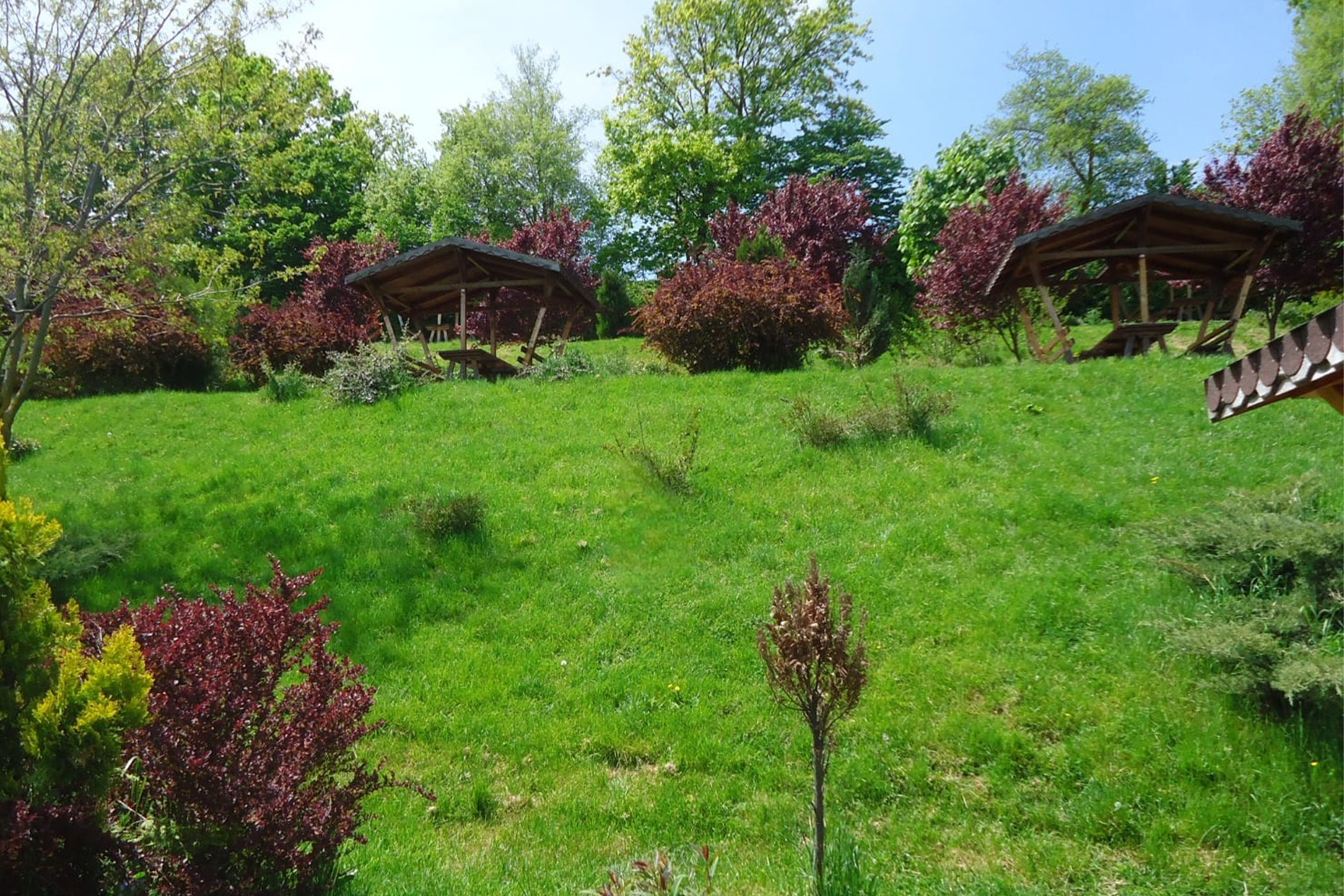
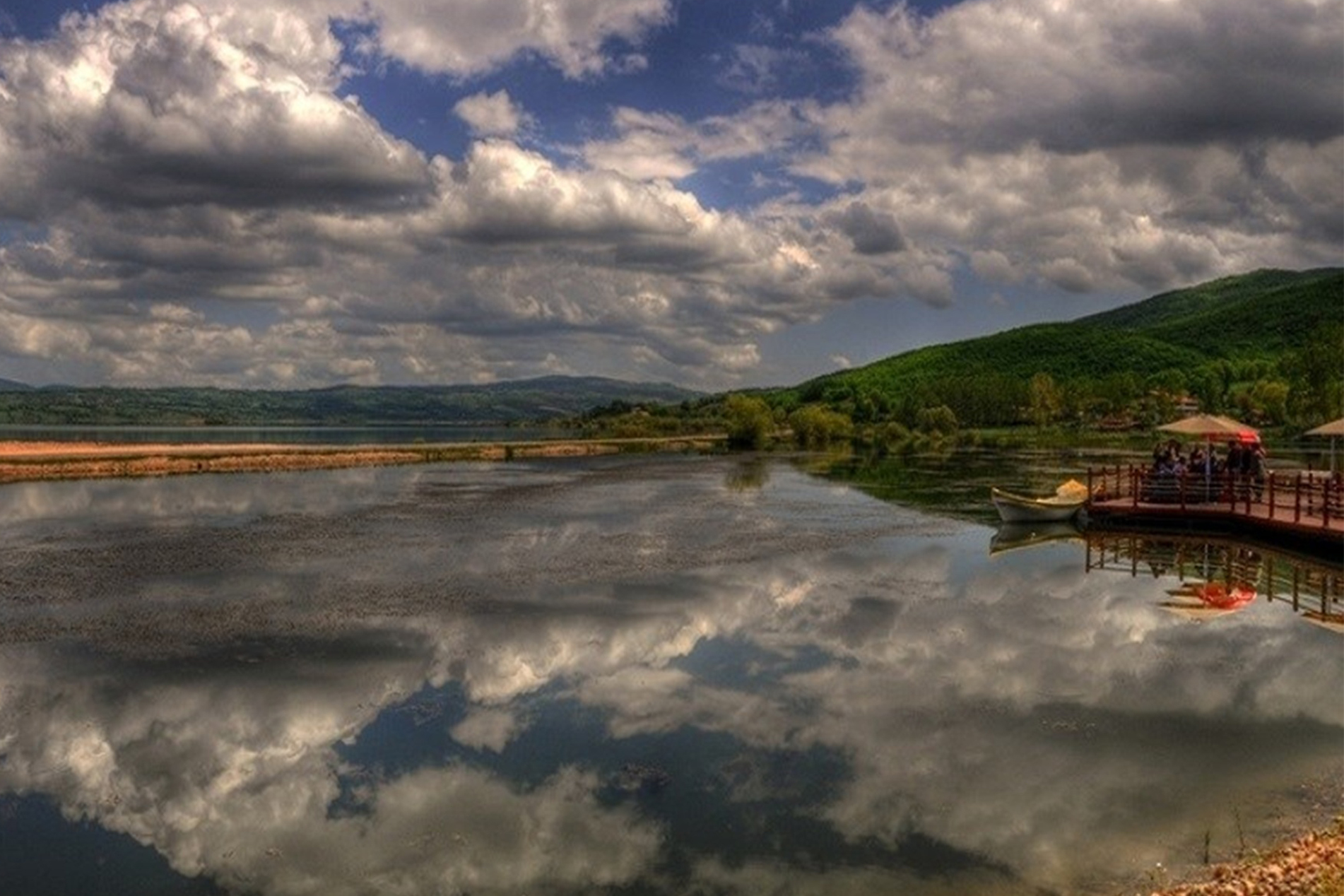
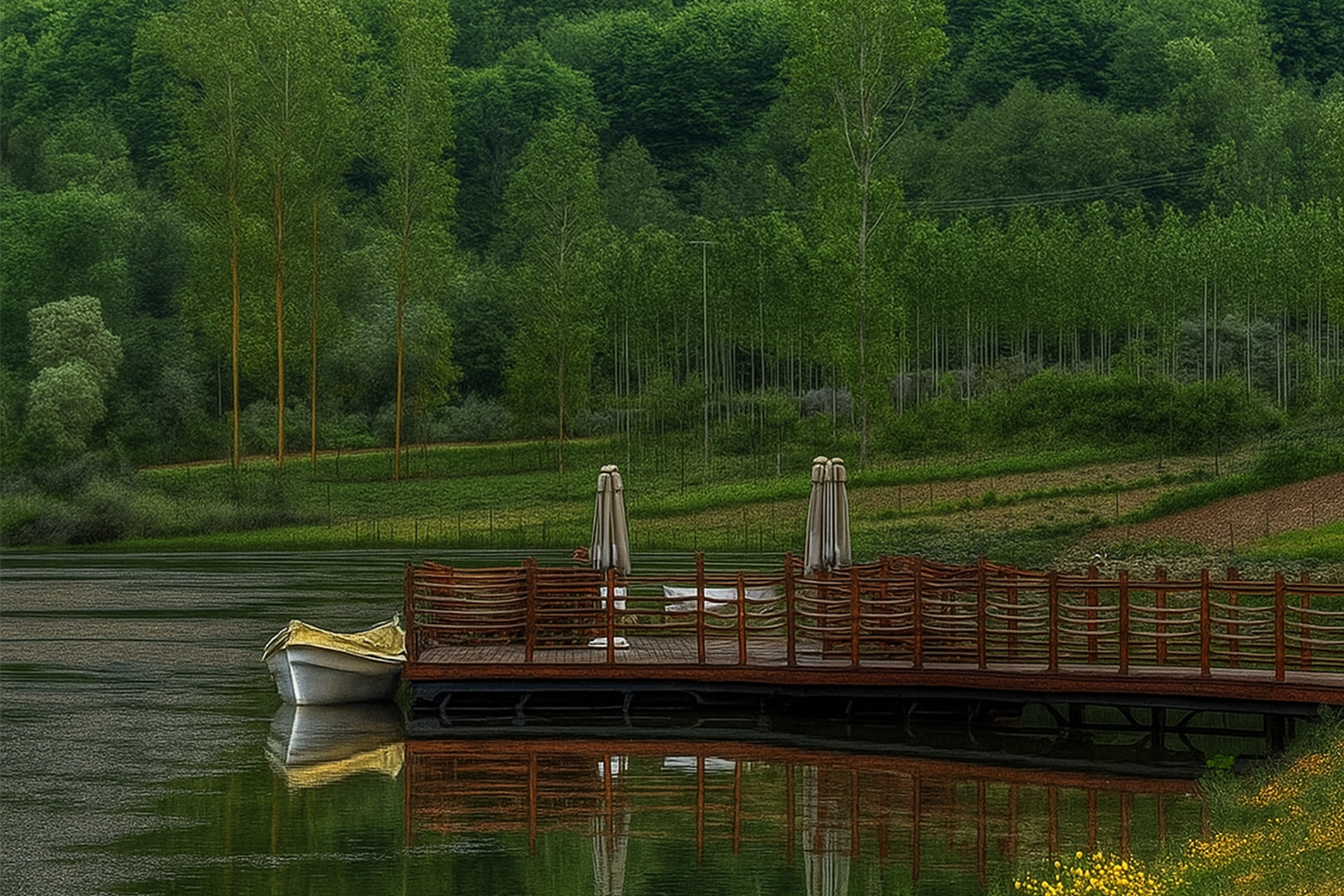
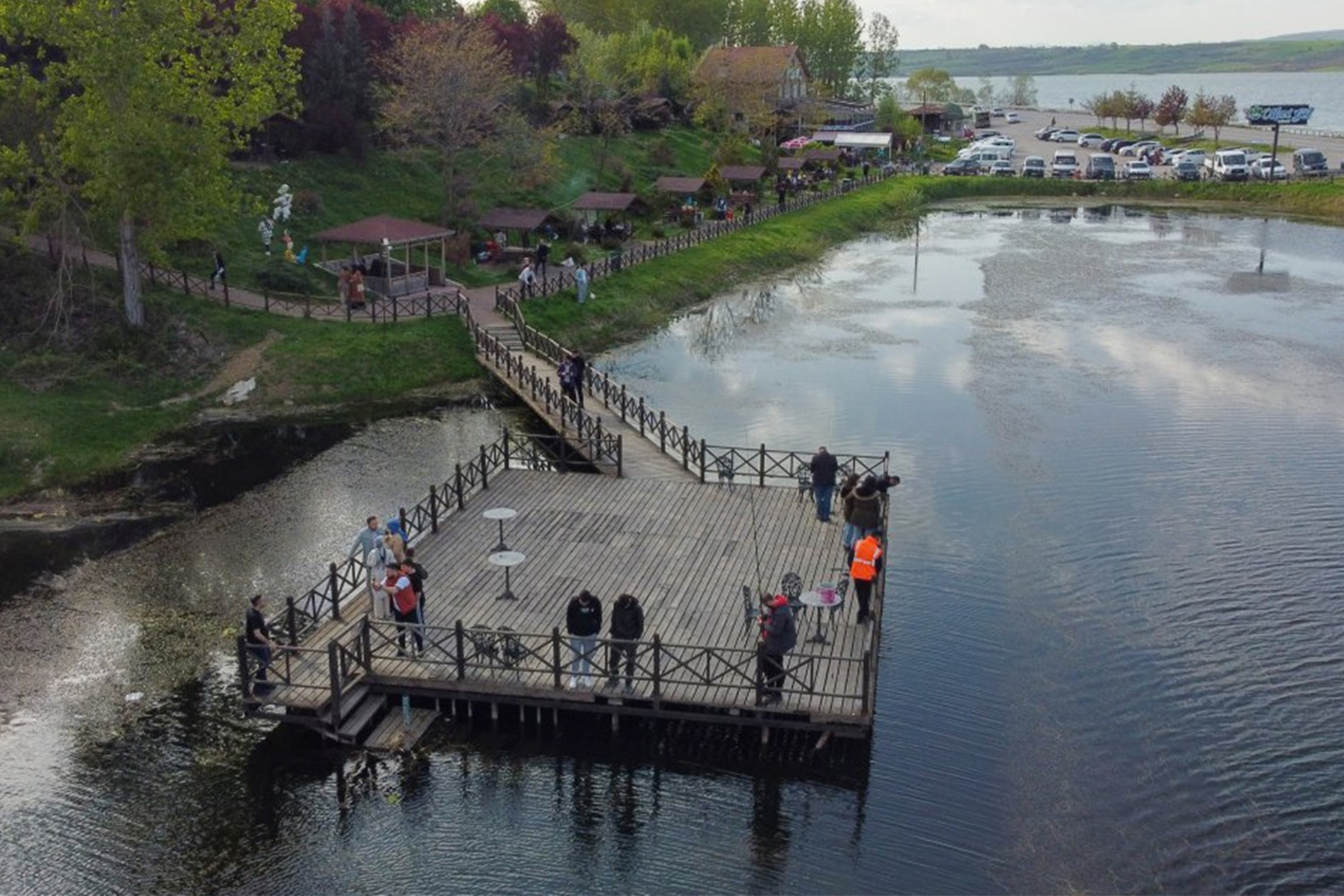
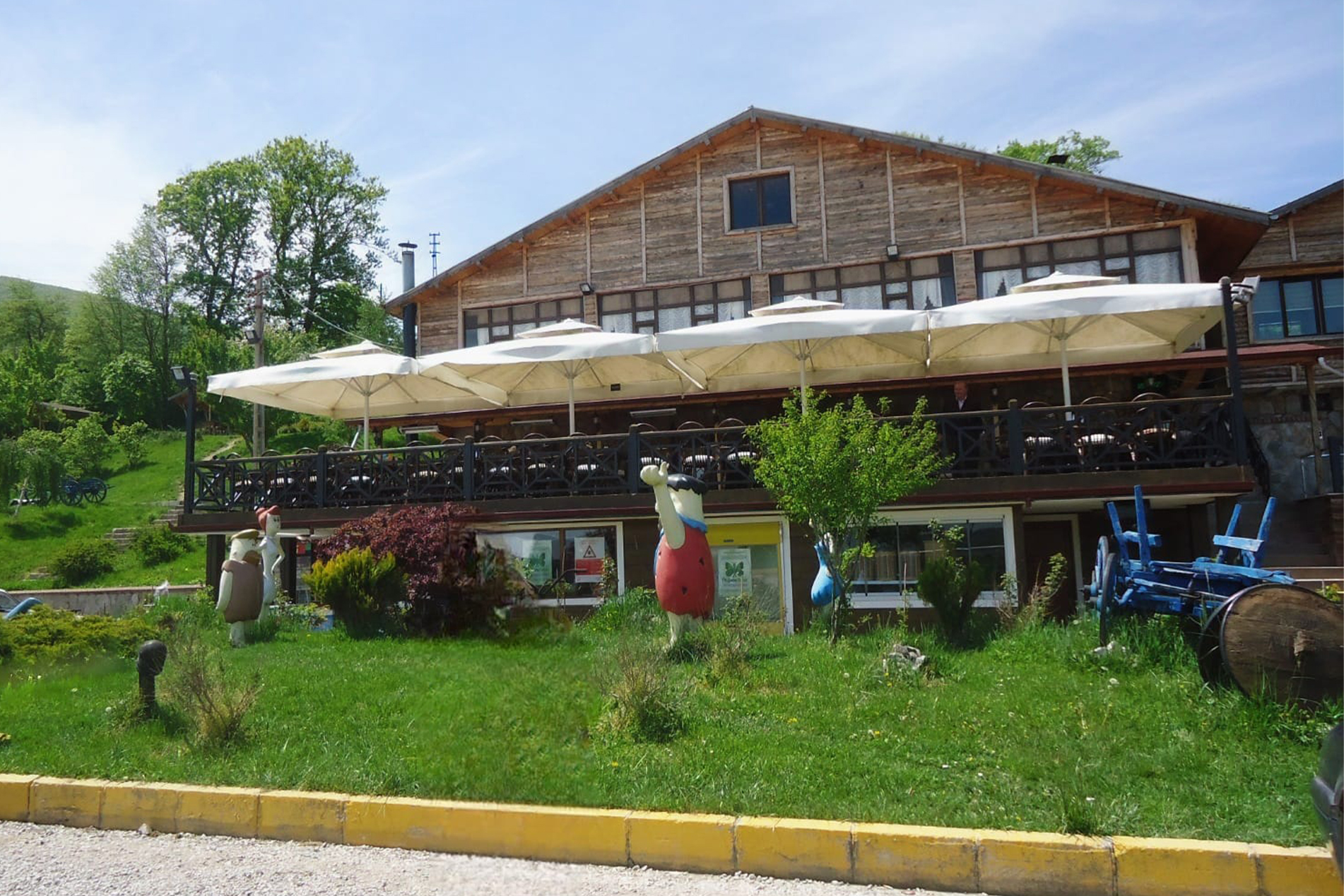
Ladik Gölü, Samsun'un Ladik ilçe merkezinin doğusunda bulunan ve 870 hektarlık alana sahip olan bir göl. Ladik Gölü, üzerinde yüzen adacıklarıyla ünlüdür. Etrafı dağ ve orman manzarası ile çevrilidir. Turna balığı, tatlı su levreği, tahta balığı, sazan, kızılkanat gibi balık türlerinin yaşaması nedeniyle ilçedeki balıkçılık sektörü ve balıkçılık turizmi, bu yöredeki yaşamı son derece etkilemektedir. Birçok kuş türüne ev sahipliği yapar. Burada su kayağı, sörf, yelkenli yarışı gibi sportif faaliyetleri yapmak da mümkündür. Bu özellikleriyle göl, ilçe turizmine hizmet etmektedir. Ladik gölü ve çevresi, öğrencilerin doğayı yakından gözlemleyerek öğrenmelerine, çevre bilinci kazanmalarına ve ekosistemlerin işleyişini somut olarak görmelerine imkân tanır. Öğrenciler su ekosistemi, bitki ve hayvan çeşitliliği, doğal süreçler ve sürdürülebilir yaşam gibi konuları yerinde inceleyebilirler. Ayrıca park alanı, öğrencilerin grup çalışması yapmasına, doğa yürüyüşleriyle fiziksel aktivitelerini artırmasına ve sosyal becerilerini geliştirmesine katkı sağlar. Doğal ortamın sakin ve motive edici yapısı, öğrencilerin stresini azaltarak öğrenmeye daha açık hâle gelmelerini sağlar.
Konum
Adres: Tekkealtı, Ladik, Samsun, Karadeniz Bölgesi, Türkiye
Ziyaret Gün ve Saatleri
Aşağıda belirtilen gün ve saatler arasında ziyarete açıktır.
Erişilebilirlik Özellikleri
Engelsiz erişim imkânlarının ve rehber hizmetlerinin bulunup bulunmadığı bilgisine yer verilmiştir.
- Engelsiz Erişim
- Rehberlik Hizmeti
Ziyaret Notları
Samsun kent merkezinden Ladik ilçesine ilçe minibüsleri bulunmaktadır. ilçe merkezinden de özel araçlarla yola devam edilmesi gerekmektedir. Göl ve çevresi randevusuz ve ücretsiz ziyaret edilebilir. Göl çevresinde piknik ve mesire alanlarının yanı sıra ücretli restoran ve tesisler bulunmaktadır. Gölde yapılan su bisikleti, kano ve yelkenli etkinlikleri de ücrete tabidir. Öğrenci grup ziyaretlerinde gezi rehber öğretmeni, öğrencilerin güvenliği için onların ziyaret alanlarının dışına çıkmamaları ve mevsime uygun giyinmeleri konusunda bilgilendirme yapmalıdır. Alerjisi olan öğrenciler ve aileleri bilgilendirerek gerekli önlemler alınmalıdır. Ziyaret esnasında çevre temizliğinin korunmasına özen gösterilmelidir.
İletişim Bilgileri
Öğrenme Çıktıları
- SAB.11. Merak ettiği coğrafi olay/ olgu ve mekân/durumlara yönelik sorular sorabilme
- SAB.12. Coğrafi gözlem ve saha çalışmasını gerçekleştirebilmek için gerekli olan hazırlığı yapabilme
- SAB.13. Coğrafi gözlem ve çalışma sahasında planlanan çalışmaları uygulayabilme
- SAB.14. Coğrafi gözlem ve çalışma sahasından elde edilen sonuçları sözlü/görsel yolla raporlaştırabilme
- SAB.15. Yakın çevresi ile ilgili olarak hazırlanmış olan basit krokiyi okuyabilme
- SAB.16. Yakın çevresinde bulunan bir kişi/nesne/mekânın konumunu belirlemek üzere takip edeceği krokiyi çözümleyebilme
- SAB.17. Yakın çevresinde bulunan belirli bir kişi/ nesne/mekânın konumunu gösteren kendi krokisini oluşturabilme
- HB.1.4.1. Yaşadığı yerin ve ülkemizin genel özelliklerini açıklayabilme
- HB.1.5.1. Yakın çevresinde bulunan doğadaki varlıkları gözlemleyebilme
- T.D.1.1. Dinleme/izlemeyi yönetebilme
- T.D.1.2. Dinledikleri/izledikleri ile ilgili anlam oluşturabilme
- T.D.1.3. Dinlediklerini/izlediklerini çözümleyebilme
- T.D.1.4. Dinleme/izleme sürecini değerlendirebilme
- T.K.1.2. Konuşmalarında içerik oluşturabilme
- T.K.1.3. Konuşma kurallarını uygulayabilme
- HB.2.5.1. Hava olayları ve mevsimler arasındaki ilişkiyi çözümleyebilme
- HB.2.5.2. Doğadan yararlanarak yönünü belirleyebilme
- HB.2.4.1. Yakın çevresinde bulunan tarihî mekân ve doğal güzellikleri belirleyebilme
- T.D.2.1. Dinleme/izlemeyi yönetebilme
- T.D.2.2. Dinledikleri/izledikleri ile ilgili anlam oluşturabilme
- T.D.2.3. Dinlediklerini/izlediklerini çözümleyebilme
- T.K.2.1. Konuşmalarını yönetebilme
- T.K.2.2. Konuşmalarında içerik oluşturabilme
- T.K.2.3. Konuşma kurallarını uygulayabilme
- HB.3.4.1. Yakın çevresindeki tarihî mekân ve doğal güzelliklerin korunmasının önemini fark edebilme
- HB.3.5.1. Doğadaki varlıkların insan yaşamı için önemini yorumlayabilme
- HB.3.5.2. Krokiyi kullanarak bulunduğu yerin konumunu algılayabilme
- T.D.3.1. Dinlemeyi/izlemeyi yönetebilme
- T.D.3.2. Dinledikleri/izledikleri ile ilgili anlam oluşturabilme
- T.D.3.3. Dinlediklerini/izlediklerini çözümleyebilme
- T.D.3.5. Dinleme/izleme sürecini değerlendirebilme
- T.K.3.1. Konuşmalarını yönetebilme
- T.K.3.2. Konuşmalarında içerik oluşturabilme
- T.K.3.3. Konuşma kurallarını uygulayabilme
- T.K.3.5. Konuşma sürecini değerlendirebilme
- SB.4.3.3. Yakın çevresindeki ortak miras ögelerini tanımanın önemini yorumlayabilme
- SB.4.2.1. Konum ve yön bulurken haritaları kullanabilme
- SB.4.2.2. Yakın çevresinden hareketle doğa ve insan ilişkisini çözümleyebilme
- T.D.4.1. Dinleme/izlemeyi yönetebilme
- T.D.4.2. Dinledikleri/izledikleri ile ilgili anlam oluşturabilme
- T.D.4.3. Dinlediklerini/izlediklerini çözümleyebilme
- T.K.4.1. Konuşmalarını yönetebilme
- T.K.4.2. Konuşmalarında içerik oluşturabilme
- T.K.4.3. Konuşma kurallarını uygulayabilme
- FB.4.1.1. Bilimin özellikleri ile ilgili yansıtma yapabilme
- FB.4.1.2. Bilgi kaynağının güvenilirliğini sorgulayabilme
- FB.4.8.1. Sürdürülebilir bir yaşam alanı kurmaya ilişkin bilimsel sorgulama yapabilme
- SB.5.3.1. Yaşadığı ildeki ortak miras ögelerine ilişkin oluşturduğu ürünü paylaşabilme
- SB.5.5.1. Kaynakları verimli kullanmanın doğa ve insanlar üzerindeki etkisini yorumlayabilme
- FB.5.3.1.1. Bitki ve hayvan hücrelerini temel kısımları ve özellikleri açısından karşılaştırabilme
- FB.5.7.1.2. Kaynakların etkili kullanımı konusunda geri dönüşümün önemli olduğuna yönelik bilimsel çıkarımda bulunabilme
- ENG.5.5.L1. Students can get ready for the listening/watching-comprehension process for the current content on “life in the neighbourhood and city with places for recreation and attractions in the neighbourhood and city ; different types of houses” carefully.
- ENG.5.5.L2. Students can bring information about the current content on “life in the neighbourhood and city with places for recreation and attractions in the neighbourhood and city ; different types of houses” together through significant details and main components while listening/ watching it.
- ENG.5.5.L3. Students can make meaning of/derive meaning from the current content on “life in the neighbourhood and city with places for recreation and attractions in the neighbourhood and city ; different types of houses” through significant details by listening/watching it carefully.
- ENG.5.5.L4. Students can convey their knowledge, experience, thoughts, and feelings examined carefully about the whole listening/watching-comprehension process in relation to the current content on “life in the neighbourhood and city with places for recreation and attractions in the neighbourhood and city ; different types of houses”.
- ENG.5.5.P1. Students can select and use the target phonological elements of the current content about “life in the neighbourhood and city with places for recreation and attractions in the neighbourhood and city ; different types of houses” accurately, authentically, and naturally through spontaneous decision-making processes and use it in an appropriate and effective way when communicating with others.
- ENG.5.5.R1. Students can get ready for the reading-comprehension process about the current content on “life in the neighbourhood and city with places for recreation and attractions in the neighbourhood and city ; different types of houses”.
- ENG.5.5.R2. Students can bring information about the current content on “life in the neighbourhood and city with places for recreation and attractions in the neighbourhood and city ; different types of houses” through skimming (looking quickly at) the audio-visual elements and reading the content very quickly.
- ENG.5.5.R3. Students can bring information about the current content on “life in the neighbourhood and city with places for recreation and attractions in the neighbourhood and city ; different types of houses” through skimming (looking quickly at) the audio-visual elements and reading the content very quickly.
- ENG.5.5.R4. Students can convey their knowledge, experiences, thoughts, and feelings related to the reading-comprehension process about the current content, “life in the neighbourhood and city with places for recreation and attractions in the neighbourhood and city ; different types of houses” in relation to themselves or others, both individually and/or with others.
- ENG.5.5.V1. Students can select and use the target vocabulary of the current content about “life in the neighbourhood and city with places for recreation and attractions in the neighbourhood and city ; different types of houses” accurately, authentically, spontaneously, and naturally and use it appropriately and effectively when communicating with others.
- ENG.5.5.G1. Students can select and use the target grammatical elements of the current content about “life in the neighbourhood and city with places for recreation and attractions in the neighbourhood and city ; different types of houses” accurately, authentically, spontaneously, and naturally and use it appropriately and effectively when communicating with others.
- ENG.5.5.W1. Students can get ready for the writing-expression process about the current content on “life in the neighbourhood and city with places for recreation and attractions in the neighbourhood and city ; different types of houses”.
- ENG.5.5.S1. Students can get ready for speaking-expression process about the current content on “life in the neighbourhood and city with places for recreation and attractions in the neighbourhood and city ; different types of houses”.
- ENG.5.5.L1. Students can get ready for the listening/watching-comprehension process for the current content on “life in the neighbourhood and city with attractions and recreational places, services, and transportation in the neighbourhood and the city” carefully.
- ENG.5.5.L2. Students can bring information about the current content on “life in the neighbourhood and city with attractions and recreational places, services, and transportation in the neighbourhood and the city” together through significant details and main components while listening (to)/ watching it.
- ENG.5.5.L3. Students can make meaning of/derive meaning from the current content on “life in the neighbourhood and city with attractions and recreational places, services, and transportation in the neighbourhood and the city” through significant details by listening (to)/watching it carefully.
- ENG.5.5.L4. Students can convey their knowledge, experience, thoughts, and feelings examined carefully about the whole listening/watching-comprehension process in relation to the current content on “life in the neighbourhood and city with attractions and recreational places, services, and transportation in the neighbourhood and the city”.
- ENG.5.5.P1. Students can select and use the target phonological elements of the current content about “life in the neighbourhood and city with attractions and recreational places, services, and transportation in the neighbourhood and the city” accurately, authentically, and naturally through spontaneous decision-making processes and use it in an appropriate and effective way when communicating with others.
- ENG.5.5.R1. Students can get ready for the reading-comprehension process about the current content on “life in the neighbourhood and city with attractions and recreational places, services, and transportation in the neighbourhood and the city”.
- ENG.5.5.R2. Students can bring information about the current content on “life in the neighbourhood and city with attractions and recreational places, services, and transportation in the neighbourhood and the city” through skimming (looking quickly at) the audio-visual elements and reading the content very quickly.
- ENG.5.5.R3. Students can make meaning of / derive meaning from the current content about “life in the neighbourhood and city with attractions and recreational places, services, and transportation in the neighbourhood and the city” by reading it carefully.
- ENG.5.5.R4. Students can convey their knowledge, experiences, thoughts, and feelings related to the reading-comprehension process about the current content, “life in the neighbourhood and city with attractions and recreational places, services, and transportation in the neighbourhood and the city” in relation to themselves or others, both individually and/or with others.
- ENG.5.5.V1. Students can select and use the target vocabulary of the current content about “life in the neighbourhood and city with attractions and recreational places, services, and transportation in the neighbourhood and the city” accurately, authentically, spontaneously, and naturally and use it appropriately and effectively when communicating with others.
- ENG.5.5.G1. Students can select and use the target grammatical elements of the current content about “life in the neighbourhood and city with attractions and recreational places, services, and transportation in the neighbourhood and the city” accurately, authentically, spontaneously, and naturally and use it appropriately and effectively when communicating with others.
- ENG.5.5.W1. Students can get ready for the writing-expression process about the current content on “life in the neighbourhood and city with attractions and recreational places, services, and transportation in the neighbourhood and the city”.
- ENG.5.5.S1. Students can get ready for speaking-expression process about the current content on “life in the neighbourhood and city with attractions and recreational places, services, and transportation in the neighbourhood and the city”.
- FB.6.3.1.1. Eşeyli ve eşeysiz üremeyi karşılaştırabilme
- FB.6.3.1.2. Bitkilerde üreme, büyüme ve gelişme hakkında bilimsel çıkarım yapabilme
- FB.6.3.1.3. Tohumun çimlenmesine etki eden faktörlere ilişkin hipotez oluşturabilme
- FB.6.7.1.1. Biyoçeşitliliğin doğal yaşam için önemini sorgulayabilme
- FB.6.7.1.2. Biyoçeşitliliği tehdit eden faktörleri araştırma verilerine dayalı tahmin edebilme
- FB.7.7.2.1. Kaynakların tasarruflu kullanımının önemini sorgulayabilme
- ENG.7.5.L1. Students can prepare and get ready for listening (to)/watching about the current content on “life in the neighbourhood and city including social life with public services in the neighbourhood and city; life in different kinds of cities”.
- ENG.7.5.L2. Students can bring together the information in the current content on “life in the neighbourhood and city including social life with public services in the neighbourhood and city; life in different kinds of cities”.
- ENG.7.5.L3. Students can make sense of and derive meaning from the current content on “life in the neighbourhood and city including social life with public services in the neighbourhood and city; life in different kinds of cities”.
- ENG.7.5.L4. Students can reflect on the information, experiences, thoughts, ideas, and feelings related to the listening (to)/watching process about the current content on “life in the neighbourhood and city including social life with public services in the neighbourhood and city; life in different kinds of cities” in relation to themselves or others, both individually and/or with others.
- ENG.7.5.P1. Students can select and use target phonological aspects such as pronunciation and intonation of target sounds, words, phrases, clauses, and sentences in utterances authentically, naturally, and accurately in the current content about “life in the neighbourhood and city including social life with public services in the neighbourhood and city; life in different kinds of cities” to develop holistic and conscious pronunciation skills after recognising them in context.
- ENG.7.5.R1. Students can prepare for reading the content on “life in the neighbourhood and city including social life with public services in the neighbourhood and city; life in different kinds of cities” efficiently and effectively.
- ENG.7.5.R2. Students can bring information together about the current content on “life in the neighbourhood and city including social life with public services in the neighbourhood and city; life in different kinds of cities” through skimming, scanning and detailed reading.
- ENG.7.5.R3. Students can make sense of and derive meaning from the current content on “life in the neighbourhood and city including social life with public services in the neighbourhood and city; life in different kinds of cities”.
- ENG.7.5.R4. Students can reflect on the information, experiences, thoughts, ideas, and feelings related to the reading process about the current content on “life in the neighbourhood and city including social life with public services in the neighbourhood and city; life in different kinds of cities” in relation to themselves or others, both individually and/or with others.
- ENG.7.5.V1. Students can select and use target vocabulary efficiently, effectively, and accurately, based on the current content about “life in the neighbourhood and city including social life with public services in the neighbourhood and city; life in different kinds of cities” after recognising them in context and developing their conscious and inductive vocabulary learning skills.
- ENG.7.5.G1. Students can select and use target grammatical language items efficiently, effectively, and accurately, based on the current content about “life in the neighbourhood and city including social life with public services in the neighbourhood and city; life in different kinds of cities”, after recognising them in context and developing their conscious and inductive grammaring skills through consciousness-raising and discovery.
- ENG.7.5.W1. Students can prepare for writing efficiently and accurately based on the current content about “life in the neighbourhood and city including social life with public services in the neighbourhood and city; life in different kinds of cities”.
- ENG.7.5.S1. Students can prepare themselves to speak meaningfully, fluently, and efficiently about the current content on “life in the neighbourhood and city including social life with public services in the neighbourhood and city; life in different kinds of cities”.
- T.D.8.1. Dinlemede/izlemede materyal seçimini yönetebilme
- T.D.8.6. Görselle iletilen anlamı belirleyebilme
- T.D.8.17. Bilgilendirici metinde düşünceyi geliştirme yollarını belirlemeye yönelik çözümleme yapabilme
- T.D.8.21. Çoklu ortam ögelerine yönelik çözümleme yapabilme
- T.D.8.22. Dinlediğini/izlediğini özetleyebilme
- T.D.8.27. Dinleme/izleme sürecine yönelik öz yansıtma yapabilme/kendini uyarlayabilme
- T.K.8.1. Konuşma sürecini yönetebilme
- T.K.8.5. Konuşmasında uygun tepki verebilme
- T.K.8.6. Konuşmasında çoklu ortam ögeleriyle içerik oluşturabilme
- T.K.8.11. Konuşmasında tahminlerinden yararlanabilme
- T.K.8.14. Yorumunu sözlü olarak ifade edebilme
- T.K.8.24. Uygun geçiş ve bağlantı ifadelerini kullanabilme
- T.K.8.26. Konuşma sürecine yönelik öz yansıtma yapabilme/kendini uyarlayabilme
- FB.8.1.1.1. Dünya’nın Güneş etrafındaki hareketi ve eksen eğikliğinin sonuçları ile ilgili bilimsel çıkarım yapabilme
- FB.8.1.2.1. İklim ve hava olaylarını karşılaştırabilme
- FB.8.7.1.1. Bitkilerde besin üretiminde fotosentezin önemini yapılandırabilme
- FB.8.7.1.2. Fotosentez hızını etkileyen faktörler ile ilgili hipotez oluşturabilme
- ENG.8.5.L1. Students can prepare and get ready for listening (to)/watching about the current content on “life in the neighbourhood and city including social life with sports events in the city and rural areas; pros and cons of living in rural areas and in the city”.
- ENG.8.5.L2. Students can bring together the information in the current content on “life in the neighbourhood and city including social life with sports events in the city and rural areas; pros and cons of living in rural areas and in the city”.
- ENG.8.5.L3. Students can make sense of and derive meaning from the current content on “life in the neighbourhood and city including social life with sports events in the city and rural areas; pros and cons of living in rural areas and in the city”.
- ENG.8.5.L4. Students can reflect on the information, experiences, thoughts, ideas, and feelings related to the listening (to)/watching process about the current content on “life in the neighbourhood and city including social life with sports events in the city and rural areas; pros and cons of living in rural areas and in the city” in relation to themselves or others, both individually and/ or with others.
- ENG.8.5.P1. Students can select and use target phonological aspects such as pronunciation and intonation of target sounds, words, phrases, clauses, and sentences in utterances authentically, naturally, and accurately in the current content about “life in the neighbourhood and city including social life with sports events in the city and rural areas; pros and cons of living in rural areas and in the city” to develop holistic and conscious pronunciation skills after recognising them in context.
- ENG.8.5.R1. Students can prepare for reading the content on “life in the neighbourhood and city including social life with sports events in the city and rural areas; pros and cons of living in rural areas and in the city” efficiently and effectively.
- ENG.8.5.R2. Students can bring information together about the current content on “life in the neighbourhood and city including social life with sports events in the city and rural areas; pros and cons of living in rural areas and in the city” through skimming, scanning and detailed reading.
- ENG.8.5.R3. Students can make sense of and derive meaning from the current content on “life in the neighbourhood and city including social life with sports events in the city and rural areas; pros and cons of living in rural areas and in the city”.
- ENG.8.5.R4. Students can reflect on the information, experiences, thoughts, ideas, and feelings related to the reading process about the current content on “life in the neighbourhood and city including social life with sports events in the city and rural areas; pros and cons of living in rural areas and in the city” in relation to themselves or others, both individually and/or with others.
- ENG.8.5.V1. Students can select and use target vocabulary efficiently, effectively, and accurately, based on the current content about “life in the neighbourhood and city including social life with sports events in the city and rural areas; pros and cons of living in rural areas and in the city” after recognising them in context and developing their conscious and inductive vocabulary learning skills.
- ENG.8.5.G1. Students can select and use target grammatical language items efficiently, effectively, and accurately, based on the current content about “life in the neighbourhood and city including social life with sports events in the city and rural areas; pros and cons of living in rural areas and in the city”, after recognising them in context and developing their conscious and inductive grammaring skills through consciousness-raising and discovery.
- ENG.8.5.W1. Students can prepare for writing efficiently and accurately based on the current content about “life in the neighbourhood and city including social life with sports events in the city and rural areas; pros and cons of living in rural areas and in the city”.
- ENG.8.5.S1. Students can prepare themselves to speak meaningfully, fluently, and efficiently about the current content on “life in the neighbourhood and city including social life with sports events in the city and rural areas; pros and cons of living in rural areas and in the city”.