


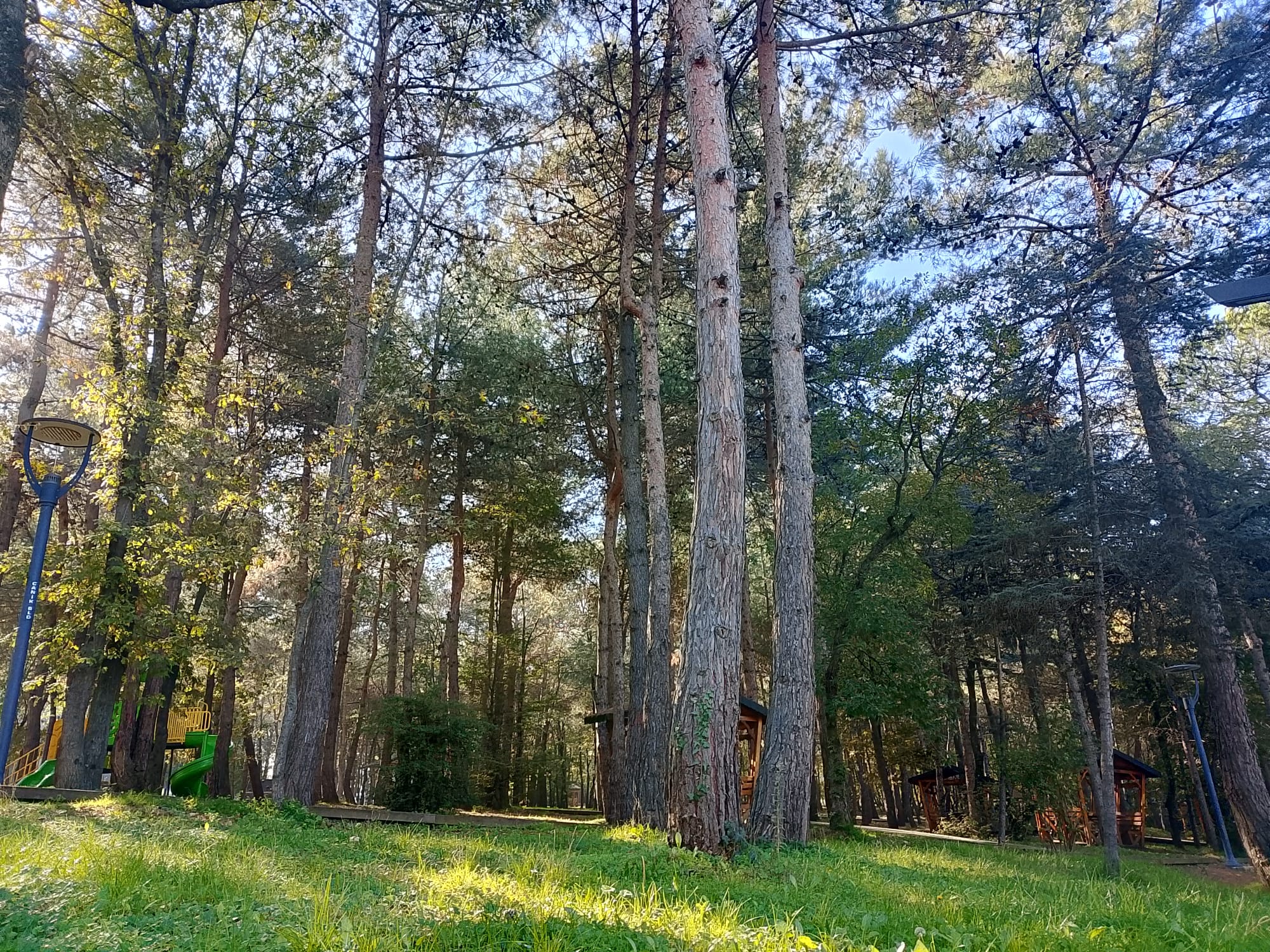
Meşe Orman Park
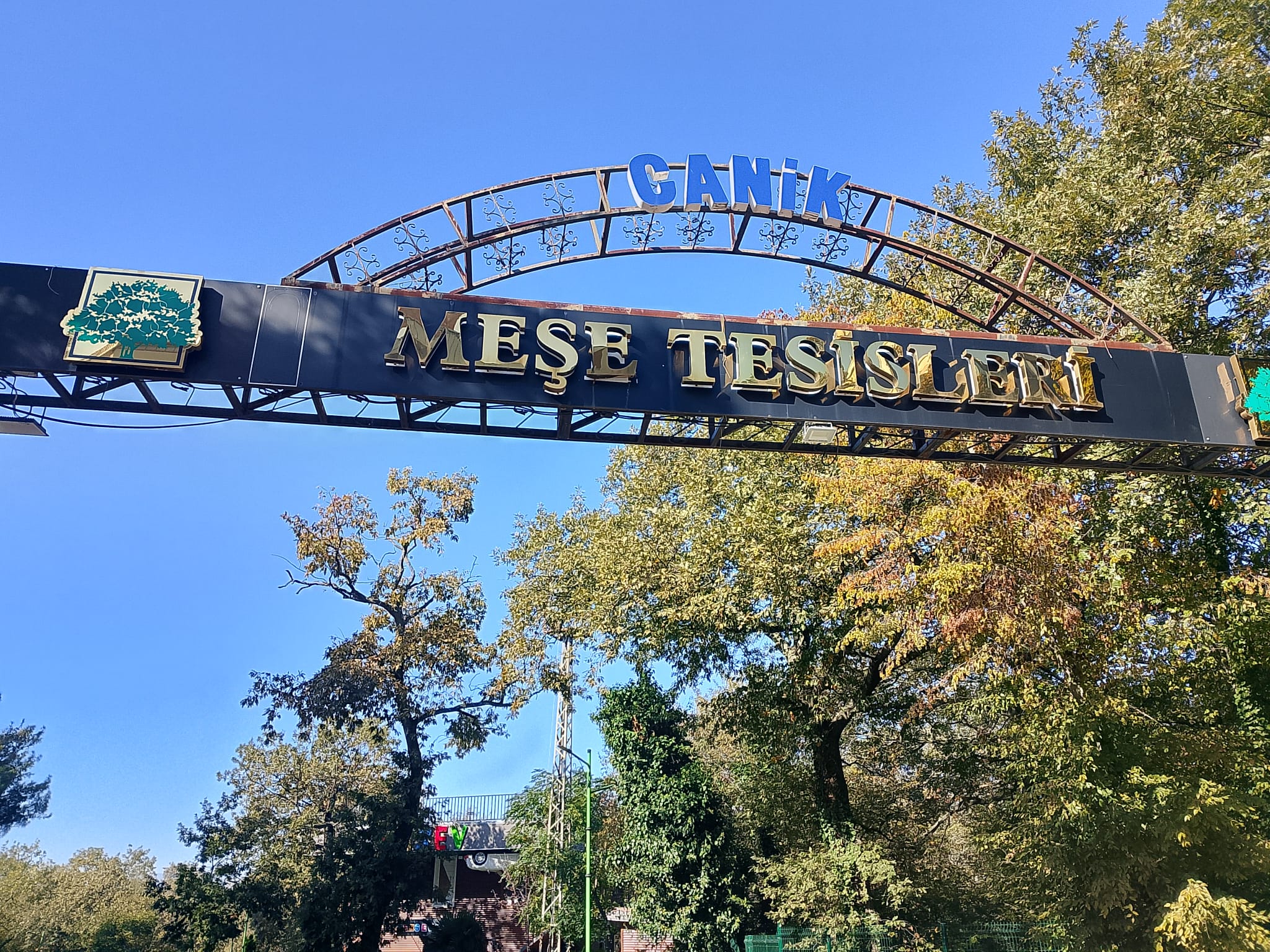
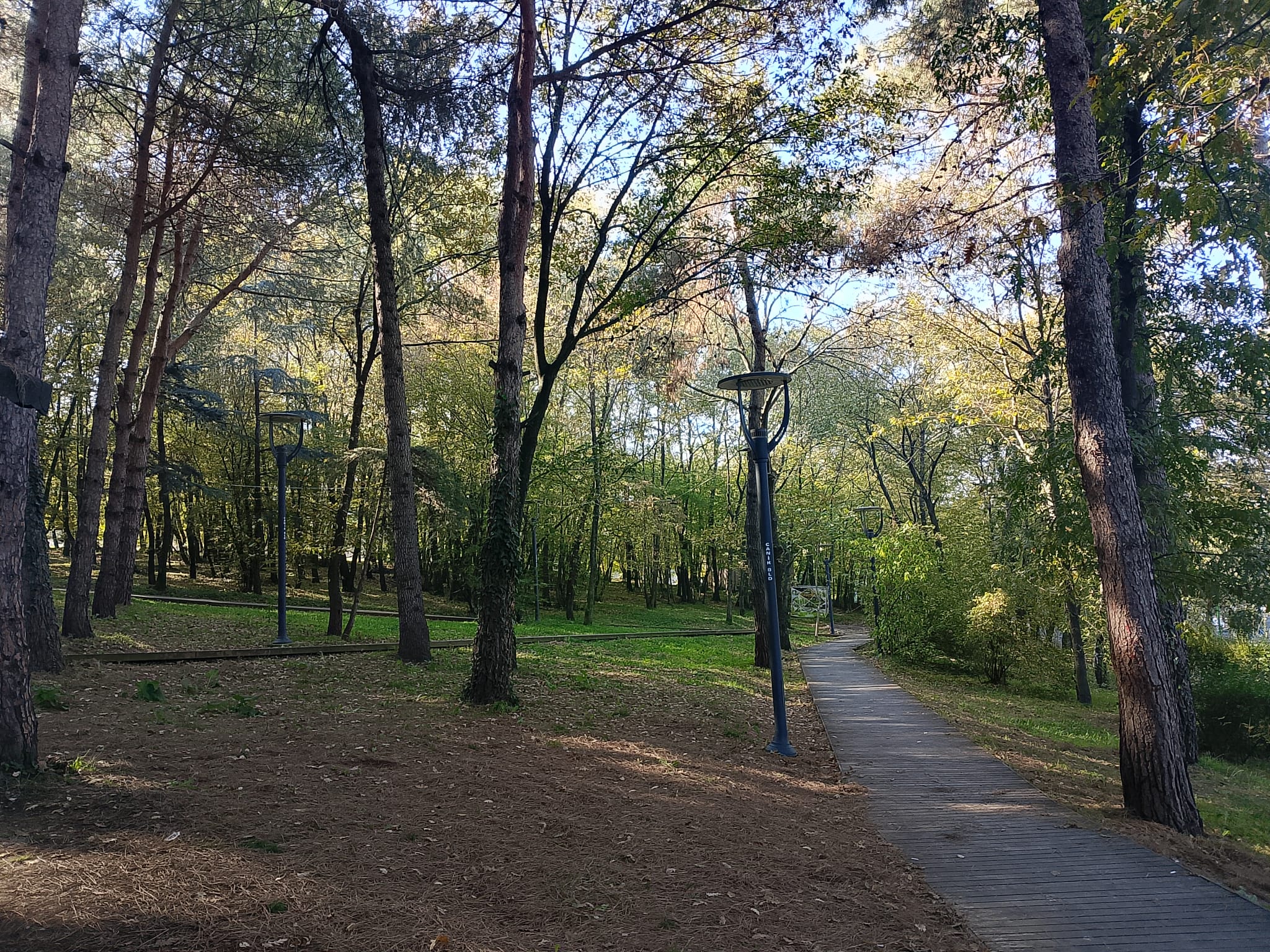
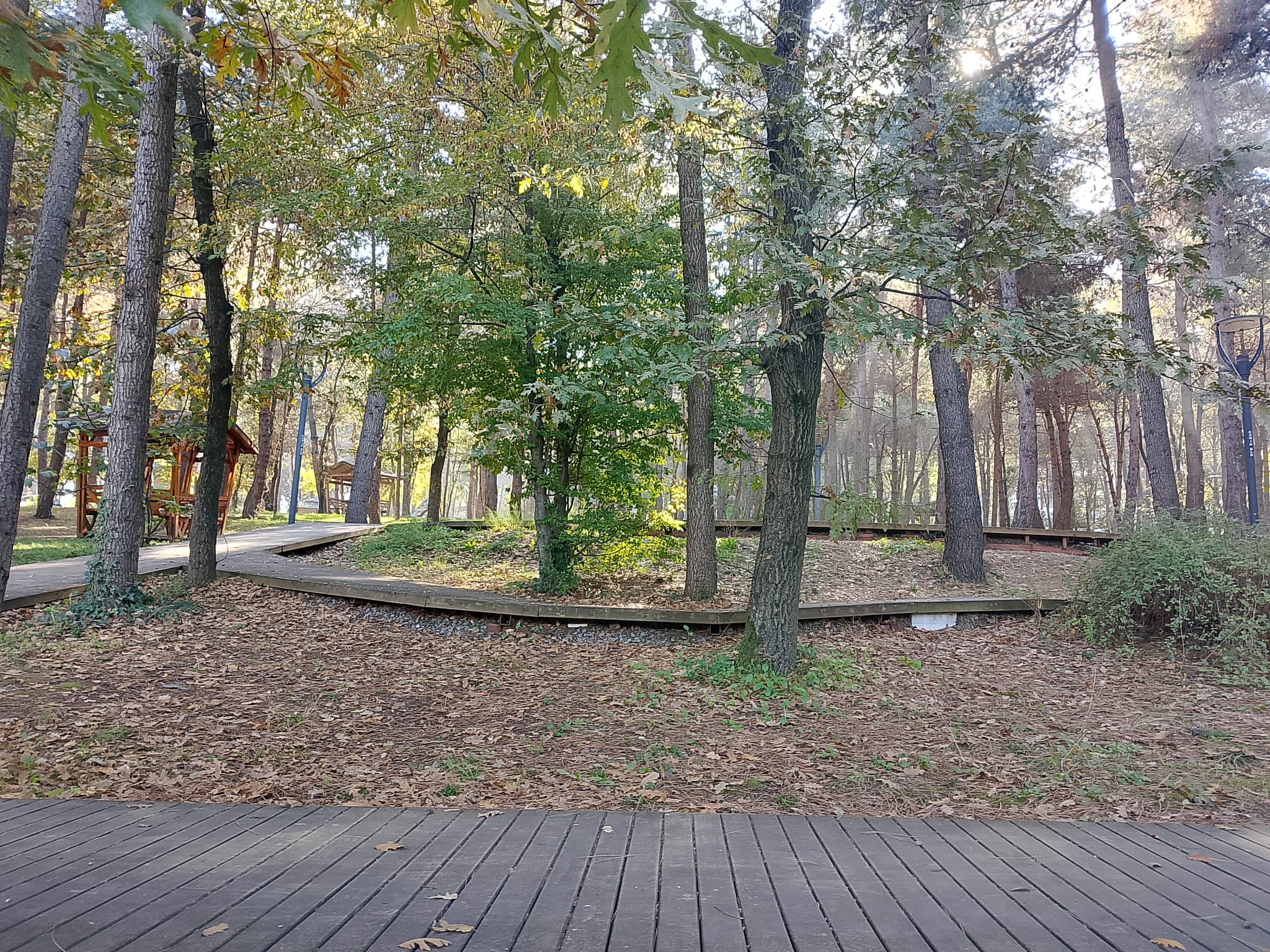
Meşe Orman Park Samsun ilinin Canik ilçesi sınırları içinde yer almaktadır. Canik Orman Park, kent ekosistemi içinde yer alan ve doğal–yarı doğal özellikler taşıyan önemli bir yeşil alan olarak ekolojik, biyolojik ve çevresel açıdan değerli bir yaşam alanıdır. Parkta bulunan ağaç, çalı ve otsu bitki türleri; oksijen üretimi, karbon tutumu ve hava kalitesinin iyileştirilmesi gibi ekosistem hizmetleri sunar. Aynı zamanda biyolojik çeşitliliğin korunmasına katkı sağlar. Orman park alanları, toprak erozyonunun azaltılması, yağmur sularının yer altına süzülmesi ve mikroklimanın düzenlenmesi gibi doğal süreçlerde de etkilidir. Bu yönüyle Canik Orman Park, öğrenciler ve ziyaretçiler için doğa gözlemi, çevre bilinci ve ekosistem ilişkilerinin somut olarak öğrenilebildiği bilimsel açıdan önemli bir açık hava laboratuvarı niteliği taşır. Orman Parkında doğayla iç içe bir deneyimle bitki çeşitliliğini tanıyabilir, hayvanların doğal yaşam döngülerini gözlemleyebilir. Ayrıca öğrencilere ekolojik denge, sürdürülebilir yaşam, fotosentez, hava kalitesi ve doğal kaynakların önemi gibi konuları yerinde gözlemleme fırsatı sunar. Öğrenciler doğaya çevreye tüm canlılara karşı koruma ve saygı duyma bilinci geliştirir.
Konum
Adres: Üsküp Caddesi, Toptepe, Canik, Samsun, Karadeniz Bölgesi, 55080, Türkiye
Ziyaret Gün ve Saatleri
Aşağıda belirtilen gün ve saatler arasında ziyarete açıktır.
Erişilebilirlik Özellikleri
Engelsiz erişim imkânlarının ve rehber hizmetlerinin bulunup bulunmadığı bilgisine yer verilmiştir.
- Engelsiz Erişim
- Rehberlik Hizmeti
Ziyaret Notları
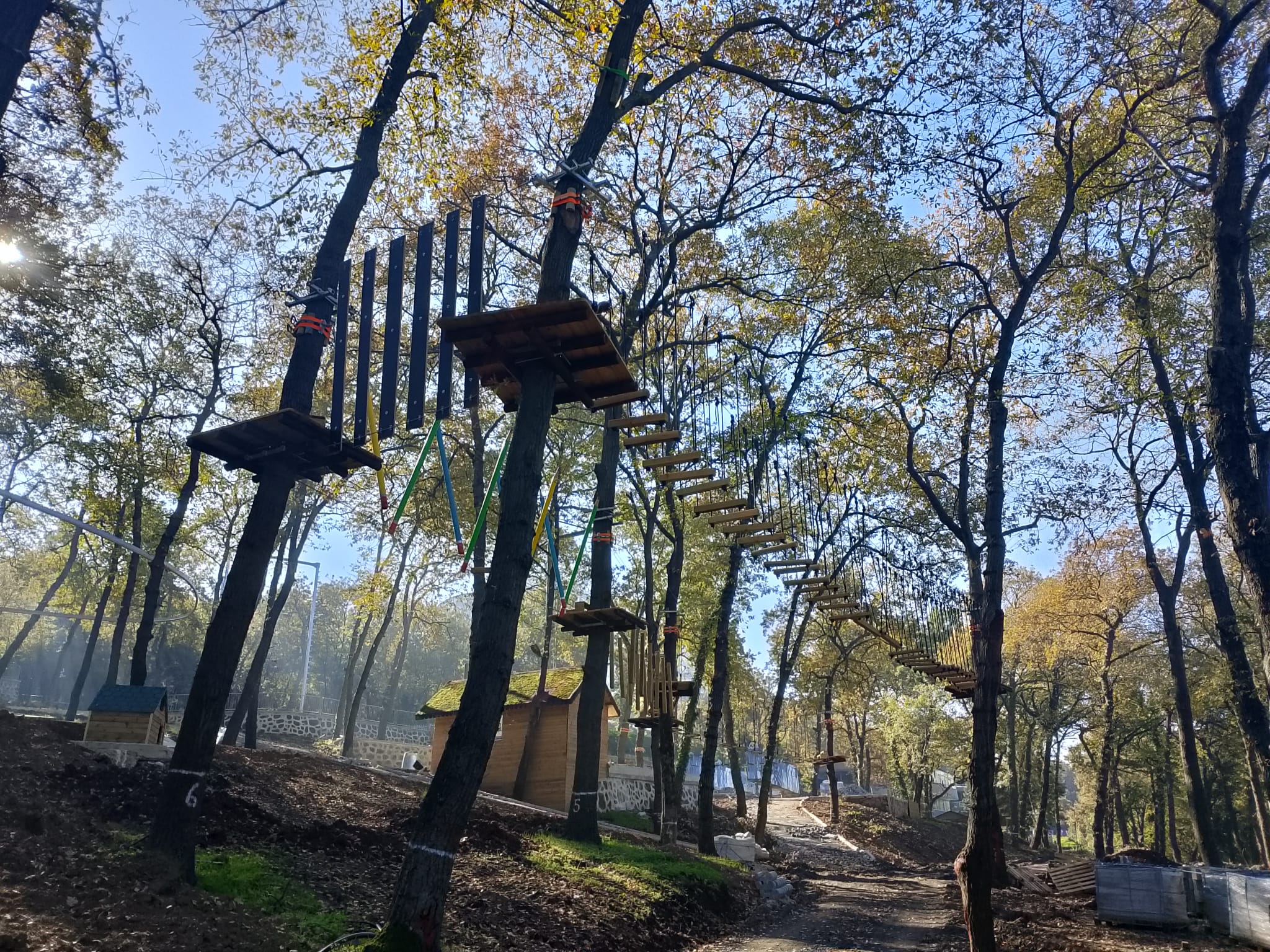
Meşe Orman Park, randevu alınmadan ziyaret edilebilmektedir. Ziyaret alanına giriş ücretsizdir. Park alanına kadar ulaşım araçlarla sağlanabilmektedir. Ziyaretçilerin mevsime uygun kıyafet ve kaygan zemine uygun ayakkabı giymeleri tavsiye edilir. Alerjisi olan ziyaretçiler, gerekli önlemleri alarak ziyaret alanına girmelidirler. Orman Park içinde yer alan macera parkuru küçük yaş öğrencilerimiz için önerilmez. Orman Park içinde yapılacak yürüyüşlerde, öğrenci gruplarının yürüyüş parkurunun dışına çıkmaması öğrenci güvenliği açısından önem teşkil etmektedir. Ziyaret alanı çevresinin temiz tutulması ve doğanın korunması konusunda ziyaretçilere gerekli bilgilendirmeler yapılmalıdır. Ziyaret alanında ücretli kafe ve restoran, çocuk park alanları mevcuttur. Ayrıca ziyaretçilerimiz piknik alanından da ücretsiz olarak faydalanabilirler.
İletişim Bilgileri
Öğrenme Çıktıları
- SAB.11. Merak ettiği coğrafi olay/ olgu ve mekân/durumlara yönelik sorular sorabilme
- SAB.9. Yakın çevresindeki coğrafi olay, nesne, mekân ve kişilerin konumunu algılayabilme
- SAB.10. Yakın çevresinde yer alan mekânın coğrafi koşullarını tanımlayabilme
- SAB.12. Coğrafi gözlem ve saha çalışmasını gerçekleştirebilmek için gerekli olan hazırlığı yapabilme
- SAB.13. Coğrafi gözlem ve çalışma sahasında planlanan çalışmaları uygulayabilme
- SAB.14. Coğrafi gözlem ve çalışma sahasından elde edilen sonuçları sözlü/görsel yolla raporlaştırabilme
- HSAB.1. Farklı çevre ve fiziksel etkinliklerde büyük kas becerilerini etkin bir şekilde uygulayabilme
- HSAB.2. Farklı ebat ve özellikteki nesneleri etkin bir şekilde kullanabilme
- HSAB.3. Jimnastik, dans ve hareket etkinliklerinde ritmik beceriler sergileyebilme
- HSAB.4. Beden farkındalığına dayalı hareket edebilme
- HSAB.5. Kişisel ve genel alanın farkında olarak hareket edebilme
- HSAB.6. Eşle/grupla ahenk içinde hareket örüntüleri sergileyebilme
- HSAB.7. Günlük yaşamında sağlıklı beslenme davranışları gösterebilme
- HSAB.8. Aktif ve sağlıklı yaşam için gereken zindelik becerilerinin neler olduğunu söyleyebilme
- HSAB.9. Aktif ve sağlıklı yaşam için hareket edebilme
- HSAB.10. Sağlıklı yaşam için temizliğe ve düzene dikkat edebilme
- HSAB.11. Tehlike ve kaza durumlarına karşı kendini koruyabilme
- HSAB.12. Hareketli oyunların temel kurallarını açıklayabilme
- HSAB.13. Hareketli oyunlara özgü basit taktik ve strateji geliştirebilme
- HSAB.14. Hareketli oyunlarda liderliği deneyimleme
- FAB.1. Günlük yaşamında fene yönelik olaylara/olgulara ve durumlara yönelik bilimsel gözlem yapabilme
- FAB.3. Günlük yaşamında fen olaylarına yönelik bilimsel gözleme dayalı tahminlerde bulunabilme
- FAB. 7. Günlük hayatındaki fene yönelik olaylar hakkında gözlemlerine dayalı basit düzeyde bilimsel çıkarımlar yapabilme
- HB.1.5.1. Yakın çevresinde bulunan doğadaki varlıkları gözlemleyebilme
- HB.1.5.4. Geri dönüştürülebilen atıkları sınıflandırabilme
- HB.1.5.3. Afet türlerini tanıyabilme
- HB.1.4.1. Yaşadığı yerin ve ülkemizin genel özelliklerini açıklayabilme
- T.D.1.1. Dinleme/izlemeyi yönetebilme
- T.D.1.2. Dinledikleri/izledikleri ile ilgili anlam oluşturabilme
- T.D.1.3. Dinlediklerini/izlediklerini çözümleyebilme
- T.K.1.1. Konuşmalarını yönetebilme
- T.K.1.2. Konuşmalarında içerik oluşturabilme
- T.K.1.3. Konuşma kurallarını uygulayabilme
- HB.2.5.1. Hava olayları ve mevsimler arasındaki ilişkiyi çözümleyebilme
- HB.2.5.2. Doğadan yararlanarak yönünü belirleyebilme
- HB.2.5.4. Kaynakları tasarruflu kullanmanın önemini değerlendirebilme
- HB.2.4.1. Yakın çevresinde bulunan tarihî mekân ve doğal güzellikleri belirleyebilme
- T.D.2.1. Dinleme/izlemeyi yönetebilme
- T.D.2.2. Dinledikleri/izledikleri ile ilgili anlam oluşturabilme
- T.D.2.3. Dinlediklerini/izlediklerini çözümleyebilme
- T.K.2.1. Konuşmalarını yönetebilme
- T.K.2.2. Konuşmalarında içerik oluşturabilme
- T.K.2.3. Konuşma kurallarını uygulayabilme
- T.K.2.5. Konuşma sürecini değerlendirebilme
- HB.3.5.1. Doğadaki varlıkların insan yaşamı için önemini yorumlayabilme
- HB.3.5.2. Krokiyi kullanarak bulunduğu yerin konumunu algılayabilme
- HB.3.5.3. Afetlere yönelik yapılması gerekenleri sınıflandırabilme
- HB.3.5.4. Çevresel sürdürülebilirliğe yönelik kaynaklardan bilgi toplayabilme
- HB.3.4.1. Yakın çevresindeki tarihî mekân ve doğal güzelliklerin korunmasının önemini fark edebilme
- T.D.3.1. Dinlemeyi/izlemeyi yönetebilme
- T.D.3.2. Dinledikleri/izledikleri ile ilgili anlam oluşturabilme
- T.D.3.3. Dinlediklerini/izlediklerini çözümleyebilme
- T.D.3.5. Dinleme/izleme sürecini değerlendirebilme
- T.K.3.1. Konuşmalarını yönetebilme
- T.K.3.2. Konuşmalarında içerik oluşturabilme
- T.K.3.3. Konuşma kurallarını uygulayabilme
- T.K.3.5. Konuşma sürecini değerlendirebilme
- DKAB.4.5.1. Kişisel hakları sentezleyebilme
- DKAB.4.5.4. İnsanlara karşı sorumluluklarını özetleyebilme
- SB.4.2.1. Konum ve yön bulurken haritaları kullanabilme
- SB.4.2.2. Yakın çevresinden hareketle doğa ve insan ilişkisini çözümleyebilme
- SB.4.2.3. Afetlerin etkilerini azaltma konusunda yapılabileceklere ilişkin oluşturduğu ürünü paylaşabilme
- SB.4.3.3. Yakın çevresindeki ortak miras ögelerini tanımanın önemini yorumlayabilme
- İHVD.4.1.1. Çocuk olmanın özelliklerini belirleyebilme
- İHVD.4.1.2. Çocuk haklarıyla ilgili kanıta dayalı olarak oluşturduğu ürünü paylaşabilme
- İHVD.4.1.3. İnsan olmanın getirdiği temel hak ve özgürlükleri yorumlayabilme
- İHVD.4.3.1. Vatandaş olmanın getirdiği hak ve özgürlükleri yorumlayabilme
- İHVD.4.3.2. Etkin vatandaş olmanın gerektirdiği sorumlulukları belirleyebilme
- İHVD.4.3.4. Etkin bir vatandaş olarak toplumsal yardımlaşma faaliyetleri ile ilgili fikir üretebilme
- T.D.4.1. Dinleme/izlemeyi yönetebilme
- T.D.4.2. Dinledikleri/izledikleri ile ilgili anlam oluşturabilme
- T.D.4.3. Dinlediklerini/izlediklerini çözümleyebilme
- T.K.4.1. Konuşmalarını yönetebilme
- T.K.4.3. Konuşma kurallarını uygulayabilme
- T.K.4.2. Konuşmalarında içerik oluşturabilme
- FB.4.8.1. Sürdürülebilir bir yaşam alanı kurmaya ilişkin bilimsel sorgulama yapabilme
- SB.5.3.1. Yaşadığı ildeki ortak miras ögelerine ilişkin oluşturduğu ürünü paylaşabilme
- SB.5.2.2. Yaşadığı ilde doğal ve beşerî çevredeki değişimi neden ve sonuçlarıyla yorumlayabilme
- T.D.5.1. Dinlemede/izlemede materyal seçimini yönetebilme
- T.D.5.14. Bilgilendirici metinlerde metin yapılarından hareketle önemli bilgileri belirlemeye yönelik çözümleme yapabilme
- T.D.5.20. Çoklu ortam ögelerine yönelik çözümleme yapabilme
- T.D.5.22. Dinlediğini/izlediğini değerlendirebilme
- T.D.5.23. Dinlediğini/izlediğini eleştirebilme
- T.D.5.25. Dinleme/izleme sürecine yönelik öz yansıtma yapabilme/kendini uyarlayabilme
- FB.5.3.1.1. Bitki ve hayvan hücrelerini temel kısımları ve özellikleri açısından karşılaştırabilme
- FB.5.3.1.2. Hücre-doku-organ-sistem-organizma kavramlarını yapılandırabilme
- ENG.5.4.L1. Students can get ready for the listening/watching-comprehension process for the current content on “family life with family members’ routines; family members’ hobbies and activities” carefully.
- ENG.5.4.L2. Students can bring information about the current content on “family life with family members’ routines; family members’ hobbies and activities” together through significant details and main components while listening/watching it.
- ENG.5.4.L3. Students can make meaning of/derive meaning from the current content on “family life with family members’ routines; family members’ hobbies and activities” through significant details by listening/watching it carefully.
- ENG.5.4.P1. Students can select and use the target phonological elements of the current content about “family life with family members’ routines; family members’ hobbies and activities” accurately, authentically, and naturally through spontaneous decision-making processes and use it in an appropriate and effective way when communicating with others.
- ENG.5.4.L4. Students can convey their knowledge, experience, thoughts, and feelings examined carefully about the whole listening/watching-comprehension process in relation to the current content on “family life with family members’ routines; family members’ hobbies and activities”.
- ENG.5.4.R1. Students can get ready for the writing-comprehension process about the current content on “family life with family members’ routines; family members’ hobbies and activities”.
- ENG.5.4.R2. Students can bring information about the current content on “family life with family members’ routines; family members’ hobbies and activities” through skimming (looking quickly at) the audio-visual elements and reading the content very quickly.
- ENG.5.4.R3. Students can make meaning of / derive meaning from the current content about “family life with family members’ routines; family members’ hobbies and activities” by reading it carefully.
- ENG.5.4.R4. Students can convey their knowledge, experiences, thoughts, and feelings related to the reading-comprehension process about the current content, “family life with family members’ routines; family members’ hobbies and activities” in relation to themselves or others, both individually and/or with others.
- ENG.5.4.V1. Students can select and use the target vocabulary of the current content about “family life with family members’ routines; family members’ hobbies and activities” accurately, authentically, spontaneously, and naturally and use it appropriately and effectively when communicating with others.
- ENG.5.4.G1. Students can select and use the target grammatical elements of the current content about “family life with family members’ routines; family members’ hobbies and activities” accurately, authentically, spontaneously, and naturally and use it appropriately and effectively when communicating with others.
- ENG.5.4.W1. . Students can get ready for the writing-expression process about the current content on “family life with family members’ routines; family members’ hobbies and activities”.
- ENG.5.4.S1. Students can get ready for speaking-expression process about the current content on “family life with family members’ routines; family members’ hobbies and activities”.
- ENG.5.5.L1. Students can get ready for the listening/watching-comprehension process for the current content on “life in the neighbourhood and city with places for recreation and attractions in the neighbourhood and city ; different types of houses” carefully.
- ENG.5.5.L2. Students can bring information about the current content on “life in the neighbourhood and city with places for recreation and attractions in the neighbourhood and city ; different types of houses” together through significant details and main components while listening/ watching it.
- ENG.5.5.L3. Students can make meaning of/derive meaning from the current content on “life in the neighbourhood and city with places for recreation and attractions in the neighbourhood and city ; different types of houses” through significant details by listening/watching it carefully.
- ENG.5.5.L4. Students can convey their knowledge, experience, thoughts, and feelings examined carefully about the whole listening/watching-comprehension process in relation to the current content on “life in the neighbourhood and city with places for recreation and attractions in the neighbourhood and city ; different types of houses”.
- ENG.5.5.P1. Students can select and use the target phonological elements of the current content about “life in the neighbourhood and city with places for recreation and attractions in the neighbourhood and city ; different types of houses” accurately, authentically, and naturally through spontaneous decision-making processes and use it in an appropriate and effective way when communicating with others.
- ENG.5.5.R1. Students can get ready for the reading-comprehension process about the current content on “life in the neighbourhood and city with places for recreation and attractions in the neighbourhood and city ; different types of houses”.
- ENG.5.5.R2. Students can bring information about the current content on “life in the neighbourhood and city with places for recreation and attractions in the neighbourhood and city ; different types of houses” through skimming (looking quickly at) the audio-visual elements and reading the content very quickly.
- ENG.5.5.R3. Students can bring information about the current content on “life in the neighbourhood and city with places for recreation and attractions in the neighbourhood and city ; different types of houses” through skimming (looking quickly at) the audio-visual elements and reading the content very quickly.
- ENG.5.5.R4. Students can convey their knowledge, experiences, thoughts, and feelings related to the reading-comprehension process about the current content, “life in the neighbourhood and city with places for recreation and attractions in the neighbourhood and city ; different types of houses” in relation to themselves or others, both individually and/or with others.
- ENG.5.5.V1. Students can select and use the target vocabulary of the current content about “life in the neighbourhood and city with places for recreation and attractions in the neighbourhood and city ; different types of houses” accurately, authentically, spontaneously, and naturally and use it appropriately and effectively when communicating with others.
- ENG.5.5.G1. Students can select and use the target grammatical elements of the current content about “life in the neighbourhood and city with places for recreation and attractions in the neighbourhood and city ; different types of houses” accurately, authentically, spontaneously, and naturally and use it appropriately and effectively when communicating with others.
- ENG.5.5.W1. Students can get ready for the writing-expression process about the current content on “life in the neighbourhood and city with places for recreation and attractions in the neighbourhood and city ; different types of houses”.
- ENG.5.5.S1. Students can get ready for speaking-expression process about the current content on “life in the neighbourhood and city with places for recreation and attractions in the neighbourhood and city ; different types of houses”.
- ENG.5.5.L1. Students can get ready for the listening/watching-comprehension process for the current content on “life in the neighbourhood and city with attractions and recreational places, services, and transportation in the neighbourhood and the city” carefully.
- ENG.5.5.L2. Students can bring information about the current content on “life in the neighbourhood and city with attractions and recreational places, services, and transportation in the neighbourhood and the city” together through significant details and main components while listening (to)/ watching it.
- ENG.5.5.L3. Students can make meaning of/derive meaning from the current content on “life in the neighbourhood and city with attractions and recreational places, services, and transportation in the neighbourhood and the city” through significant details by listening (to)/watching it carefully.
- ENG.5.5.L4. Students can convey their knowledge, experience, thoughts, and feelings examined carefully about the whole listening/watching-comprehension process in relation to the current content on “life in the neighbourhood and city with attractions and recreational places, services, and transportation in the neighbourhood and the city”.
- ENG.5.5.P1. Students can select and use the target phonological elements of the current content about “life in the neighbourhood and city with attractions and recreational places, services, and transportation in the neighbourhood and the city” accurately, authentically, and naturally through spontaneous decision-making processes and use it in an appropriate and effective way when communicating with others.
- ENG.5.5.R1. Students can get ready for the reading-comprehension process about the current content on “life in the neighbourhood and city with attractions and recreational places, services, and transportation in the neighbourhood and the city”.
- ENG.5.5.R2. Students can bring information about the current content on “life in the neighbourhood and city with attractions and recreational places, services, and transportation in the neighbourhood and the city” through skimming (looking quickly at) the audio-visual elements and reading the content very quickly.
- ENG.5.5.R3. Students can make meaning of / derive meaning from the current content about “life in the neighbourhood and city with attractions and recreational places, services, and transportation in the neighbourhood and the city” by reading it carefully.
- ENG.5.5.R4. Students can convey their knowledge, experiences, thoughts, and feelings related to the reading-comprehension process about the current content, “life in the neighbourhood and city with attractions and recreational places, services, and transportation in the neighbourhood and the city” in relation to themselves or others, both individually and/or with others.
- ENG.5.5.V1. Students can select and use the target vocabulary of the current content about “life in the neighbourhood and city with attractions and recreational places, services, and transportation in the neighbourhood and the city” accurately, authentically, spontaneously, and naturally and use it appropriately and effectively when communicating with others.
- ENG.5.5.G1. Students can select and use the target grammatical elements of the current content about “life in the neighbourhood and city with attractions and recreational places, services, and transportation in the neighbourhood and the city” accurately, authentically, spontaneously, and naturally and use it appropriately and effectively when communicating with others.
- ENG.5.5.W1. Students can get ready for the writing-expression process about the current content on “life in the neighbourhood and city with attractions and recreational places, services, and transportation in the neighbourhood and the city”.
- ENG.5.5.S1. Students can get ready for speaking-expression process about the current content on “life in the neighbourhood and city with attractions and recreational places, services, and transportation in the neighbourhood and the city”.
- ENG.5.7.L1. Students can get ready for the listening/watching-comprehension process for the current content on “life in nature with animals in nature and habitats; daily activities and nature; activities in nature” carefully.
- ENG.5.7.L2. Students can bring information about the current content on “life in nature with animals in nature and habitats; daily activities and nature; activities in nature” together through significant details and main components while listening (to)/watching it.
- ENG.5.7.L3. Students can make meaning of/derive meaning from the current content on “life in nature with animals in nature and habitats; daily activities and nature; activities in nature” through significant details by listening (to)/watching it carefully.
- ENG.5.7.L4. Students can convey their knowledge, experience, thoughts, and feelings examined carefully about the whole listening/watching-comprehension process in relation to the current content on “life in nature with animals in nature and habitats; daily activities and nature; activities in nature”.
- ENG.5.7.P1. Students can select and use the target phonological elements of the current content about “life in nature with animals in nature and habitats; daily activities and nature; activities in nature” accurately, authentically, and naturally through spontaneous decision-making processes and use it in an appropriate and effective way when communicating with others.
- ENG.5.7.R1. Students can get ready for the reading-comprehension process about the current content on “life in nature with animals in nature and habitats; daily activities and nature; activities in nature”.
- ENG.5.7.R2. Students can bring information about the current content on “life in nature with animals in nature and habitats; daily activities and nature; activities in nature” through skimming (looking quickly at) the audio-visual elements and reading the content very quickly.
- ENG.5.7.R3. Students can make meaning of / derive meaning from the current content about “life in nature with animals in nature and habitats; daily activities and nature; activities in nature” by reading it carefully.
- ENG.5.7.R4. Students can convey their knowledge, experiences, thoughts, and feelings related to the reading-comprehension process about the current content, “life in nature with animals in nature and habitats; daily activities and nature; activities in nature” in relation to themselves or others, both individually and/or with others.
- ENG.5.7.V1. Students can select and use the target vocabulary of the current content about “life in nature with animals in nature and habitats; daily activities and nature; activities in nature” accurately, authentically, spontaneously, and naturally and use it appropriately and effectively when communicating with others.
- ENG.5.7.G1. Students can select and use the target grammatical elements of the current content about “life in nature with animals in nature and habitats; daily activities and nature; activities in nature” accurately, authentically, spontaneously, and naturally and use it appropriately and effectively when communicating with others.
- ENG.5.7.W1. Students can get ready for the writing-expression process about the current content on “life in nature with animals in nature and habitats; daily activities and nature; activities in nature”.
- ENG.5.7.S1. Students can get ready for speaking-expression process about the current content on “life in nature with animals in nature and habitats; daily activities and nature; activities in nature”.
- DKAB.6.3.4. Vatanını sevmenin önemi hakkında çıkarım yapabilme
- SB.6.2.2. Ülkemizin doğal ve beşerî çevre özellikleri arasındaki ilişkiyi çözümleyebilme
- FB.6.3.1.1. Eşeyli ve eşeysiz üremeyi karşılaştırabilme
- FB.6.3.1.2. Bitkilerde üreme, büyüme ve gelişme hakkında bilimsel çıkarım yapabilme
- FB.6.3.1.3. Tohumun çimlenmesine etki eden faktörlere ilişkin hipotez oluşturabilme
- FB.6.3.1.4. Hayvanlarda üreme, büyüme ve gelişme hakkında bilimsel çıkarım yapabilme
- FB.6.7.1.1. Biyoçeşitliliğin doğal yaşam için önemini sorgulayabilme
- FB.6.7.1.2. Biyoçeşitliliği tehdit eden faktörleri araştırma verilerine dayalı tahmin edebilme
- FB.6.7.2.1. Isınma amaçlı yakıt kullanımının insan ve çevre üzerine etkilerini tartışabilme
- FB.6.7.2.2. Yakın çevresindeki veya ülkemizdeki bir çevre problemine ilişkin çözüm üretebilme
- SB.7.2.2. Bölgesel ve küresel sorunların çözümünde ülkemizin rolünü özetleyebilme
- SB.7.2.1. Küreselleşmenin insan ve toplum hayatında meydana getirdiği değişimi yorumlayabilme
- FB.7.7.2.1. Kaynakların tasarruflu kullanımının önemini sorgulayabilme
- ENG.7.7.L1 . Students can prepare and get ready for listening (to)/watching about the current content on “life in nature with animals and natural resources in nature; protecting animals and nature”.
- ENG.7.7.L2. Students can bring together the information in the current content on “life in nature with animals and natural resources in nature; protecting animals and nature”.
- ENG.7.7.L3. Students can make sense of and derive meaning from the current content on “life in nature with animals and natural resources in nature; protecting animals and nature”.
- ENG.7.7.L4. Students can reflect on the information, experiences, thoughts, ideas, and feelings related to the listening (to)/watching process about the current content on “life in nature with animals and natural resources in nature; protecting animals and nature” in relation to themselves or others, both individually and/or with others.
- ENG.7.7.P1. Students can select and use target phonological aspects such as pronunciation and intonation of target sounds, words, phrases, clauses, and sentences in utterances authentically, naturally, and accurately in the current content about “life in nature with animals and natural resources in nature; protecting animals and nature” to develop holistic and conscious pronunciation skills after recognising them in context.
- ENG.7.7.R1. Students can prepare for reading the content on “life in nature with animals and natural resources in nature; protecting animals and nature” efficiently and effectively.
- ENG.7.7.R2 . Students can bring information together about the current content on “life in nature with animals and natural resources in nature; protecting animals and nature” through skimming, scanning and detailed reading.
- ENG.7.7.R3. Students can make sense of and derive meaning from the current content on “life in nature with animals and natural resources in nature; protecting animals and nature”.
- ENG.7.7.R4. Students can reflect on the information, experiences, thoughts, ideas, and feelings related to the reading process about the current content on “life in nature with animals and natural resources in nature; protecting animals and nature” in relation to themselves or others, both individually and/or with others.
- ENG.7.7.V1. Students can select and use target vocabulary efficiently, effectively, and accurately, based on the current content about “life in nature with animals and natural resources in nature; protecting animals and nature” after recognising them in context and developing their conscious and inductive vocabulary learning skills.
- ENG.7.7.G1. Students can select and use target grammatical language items efficiently, effectively, and accurately, based on the current content about “life in nature with animals and natural resources in nature; protecting animals and nature”, after recognising them in context and developing their conscious and inductive grammaring skills through consciousness-raising and discovery.
- ENG.7.7.W1. Students can prepare for writing efficiently and accurately based on the current content about “life in nature with animals and natural resources in nature; protecting animals and nature”.
- ENG.7.7.S1. Students can prepare themselves to speak meaningfully, fluently, and efficiently about the current content on “life in nature with animals and natural resources in nature; protecting animals and nature”.
- T.K.8.26. Konuşma sürecine yönelik öz yansıtma yapabilme/kendini uyarlayabilme
- T.K.8.24. Uygun geçiş ve bağlantı ifadelerini kullanabilme
- T.K.8.14. Yorumunu sözlü olarak ifade edebilme
- T.K.8.20. Hazırlıklı konuşmasını yapılandırabilme
- T.D.8.1. Dinlemede/izlemede materyal seçimini yönetebilme
- T.D.8.6. Görselle iletilen anlamı belirleyebilme
- T.D.8.17. Bilgilendirici metinde düşünceyi geliştirme yollarını belirlemeye yönelik çözümleme yapabilme
- T.D.8.21. Çoklu ortam ögelerine yönelik çözümleme yapabilme
- T.D.8.22. Dinlediğini/izlediğini özetleyebilme
- T.D.8.24. Medya içeriğini değerlendirebilme
- T.D.8.27. Dinleme/izleme sürecine yönelik öz yansıtma yapabilme/kendini uyarlayabilme
- T.K.8.1. Konuşma sürecini yönetebilme
- T.K.8.5. Konuşmasında uygun tepki verebilme
- T.K.8.6. Konuşmasında çoklu ortam ögeleriyle içerik oluşturabilme
- T.K.8.11. Konuşmasında tahminlerinden yararlanabilme
- FB.8.1.1.1. Dünya’nın Güneş etrafındaki hareketi ve eksen eğikliğinin sonuçları ile ilgili bilimsel çıkarım yapabilme
- FB.8.1.2.1. İklim ve hava olaylarını karşılaştırabilme
- FB.8.7.1.1. Bitkilerde besin üretiminde fotosentezin önemini yapılandırabilme
- FB.8.7.1.2. Fotosentez hızını etkileyen faktörler ile ilgili hipotez oluşturabilme
- FB.8.7.1.3. Canlılarda solunumun önemini yapılandırabilme
- FB.8.7.2.3. Küresel iklim değişikliklerinin nedenlerini ve olası sonuçlarını tartışabilme
- FB.8.7.2.4. Ülkemizdeki küresel iklim değişikliğinin sebep olduğu bir probleme yönelik çözüm önerisi sunabilme
- ENG.8.5.L1. Students can prepare and get ready for listening (to)/watching about the current content on “life in the neighbourhood and city including social life with sports events in the city and rural areas; pros and cons of living in rural areas and in the city”.
- ENG.8.5.L2. Students can bring together the information in the current content on “life in the neighbourhood and city including social life with sports events in the city and rural areas; pros and cons of living in rural areas and in the city”.
- ENG.8.5.L3. Students can make sense of and derive meaning from the current content on “life in the neighbourhood and city including social life with sports events in the city and rural areas; pros and cons of living in rural areas and in the city”.
- ENG.8.5.L4. Students can reflect on the information, experiences, thoughts, ideas, and feelings related to the listening (to)/watching process about the current content on “life in the neighbourhood and city including social life with sports events in the city and rural areas; pros and cons of living in rural areas and in the city” in relation to themselves or others, both individually and/ or with others.
- ENG.8.5.P1. Students can select and use target phonological aspects such as pronunciation and intonation of target sounds, words, phrases, clauses, and sentences in utterances authentically, naturally, and accurately in the current content about “life in the neighbourhood and city including social life with sports events in the city and rural areas; pros and cons of living in rural areas and in the city” to develop holistic and conscious pronunciation skills after recognising them in context.
- ENG.8.5.R1. Students can prepare for reading the content on “life in the neighbourhood and city including social life with sports events in the city and rural areas; pros and cons of living in rural areas and in the city” efficiently and effectively.
- ENG.8.5.R2. Students can bring information together about the current content on “life in the neighbourhood and city including social life with sports events in the city and rural areas; pros and cons of living in rural areas and in the city” through skimming, scanning and detailed reading.
- ENG.8.5.R3. Students can make sense of and derive meaning from the current content on “life in the neighbourhood and city including social life with sports events in the city and rural areas; pros and cons of living in rural areas and in the city”.
- ENG.8.5.R4. Students can reflect on the information, experiences, thoughts, ideas, and feelings related to the reading process about the current content on “life in the neighbourhood and city including social life with sports events in the city and rural areas; pros and cons of living in rural areas and in the city” in relation to themselves or others, both individually and/or with others.
- ENG.8.5.V1. Students can select and use target vocabulary efficiently, effectively, and accurately, based on the current content about “life in the neighbourhood and city including social life with sports events in the city and rural areas; pros and cons of living in rural areas and in the city” after recognising them in context and developing their conscious and inductive vocabulary learning skills.
- ENG.8.5.G1. Students can select and use target grammatical language items efficiently, effectively, and accurately, based on the current content about “life in the neighbourhood and city including social life with sports events in the city and rural areas; pros and cons of living in rural areas and in the city”, after recognising them in context and developing their conscious and inductive grammaring skills through consciousness-raising and discovery.
- ENG.8.5.W1. Students can prepare for writing efficiently and accurately based on the current content about “life in the neighbourhood and city including social life with sports events in the city and rural areas; pros and cons of living in rural areas and in the city”.
- ENG.8.5.S1. Students can prepare themselves to speak meaningfully, fluently, and efficiently about the current content on “life in the neighbourhood and city including social life with sports events in the city and rural areas; pros and cons of living in rural areas and in the city”.