



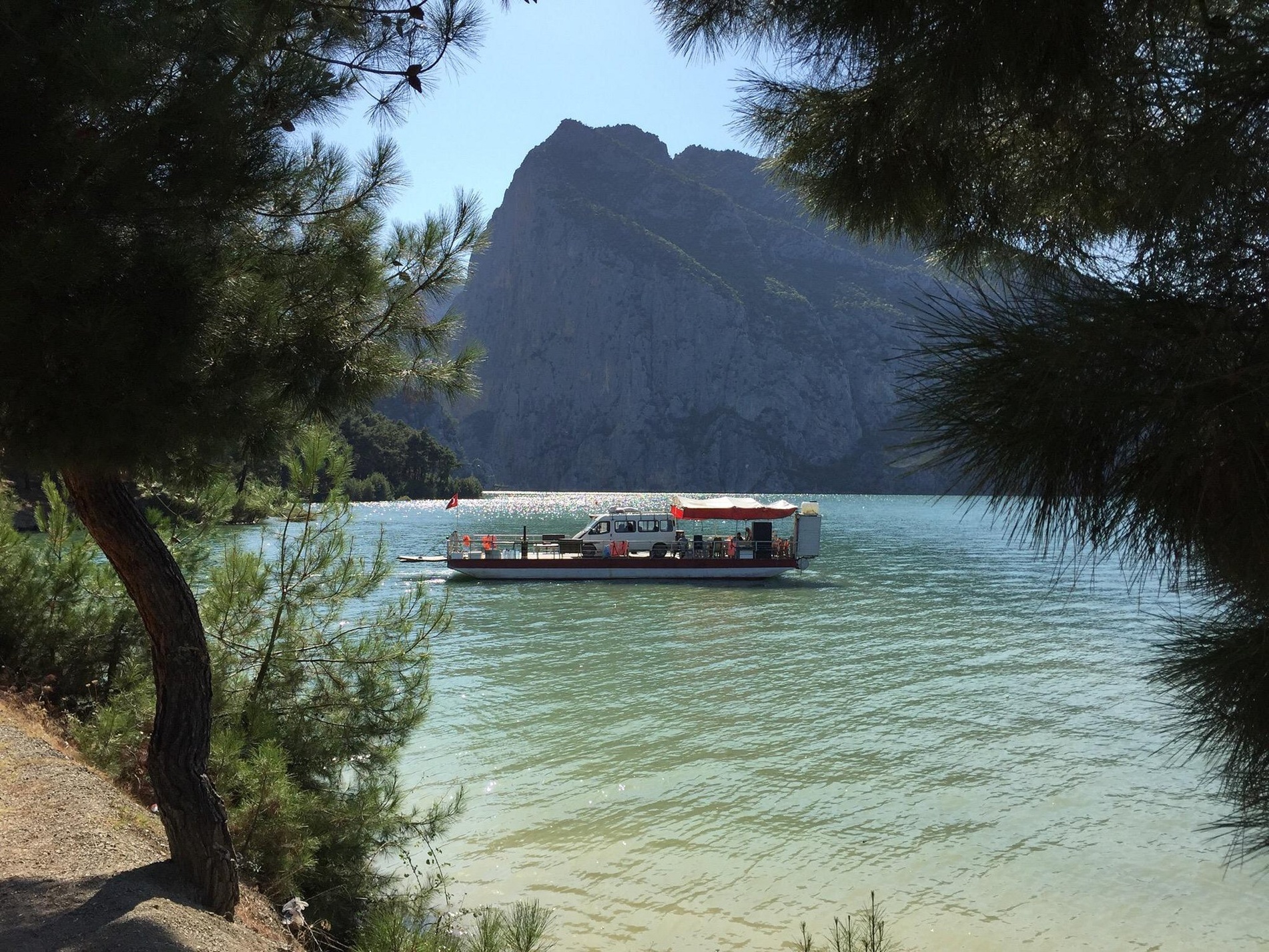
Şahinkaya Kanyonu
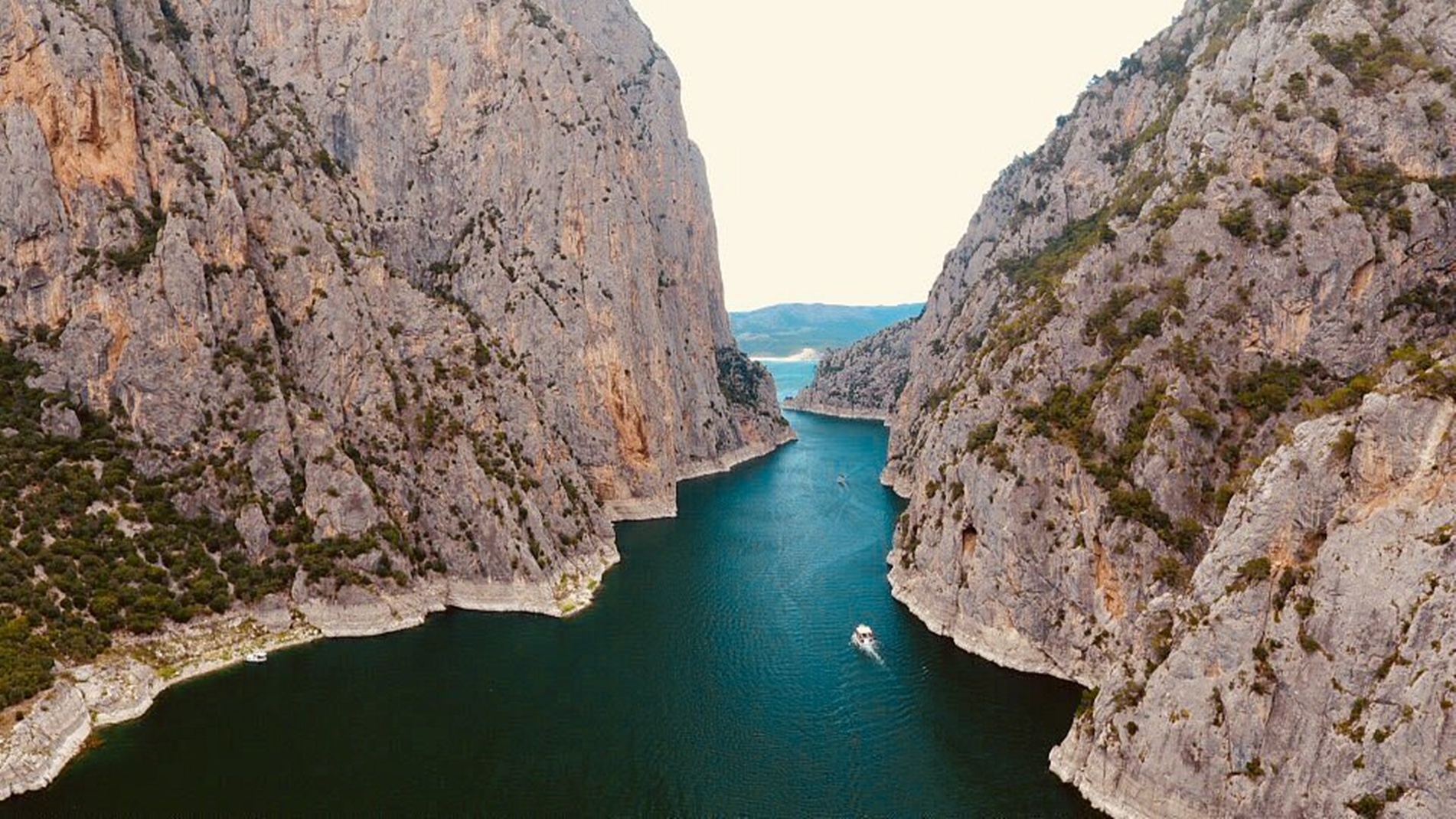
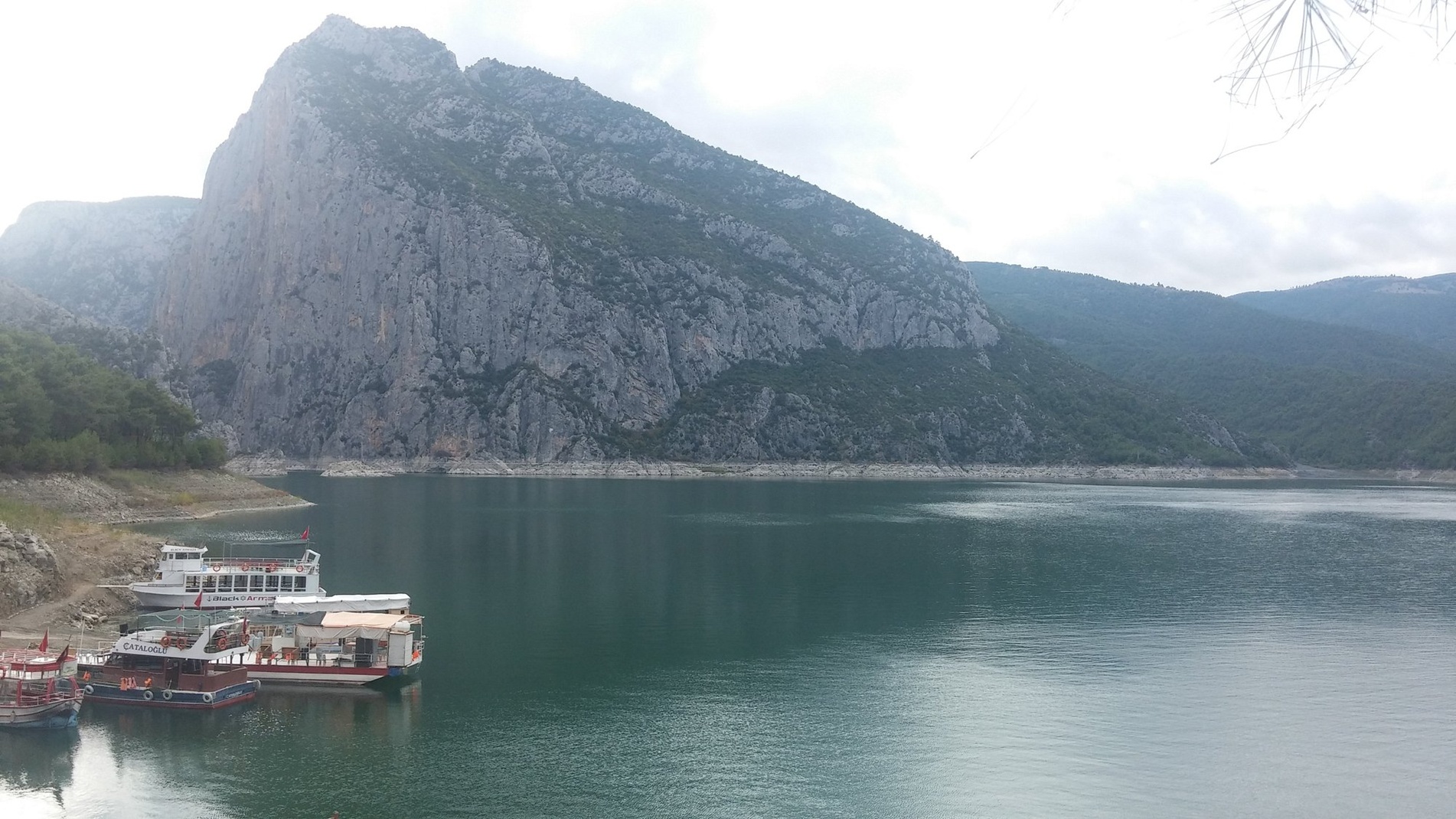
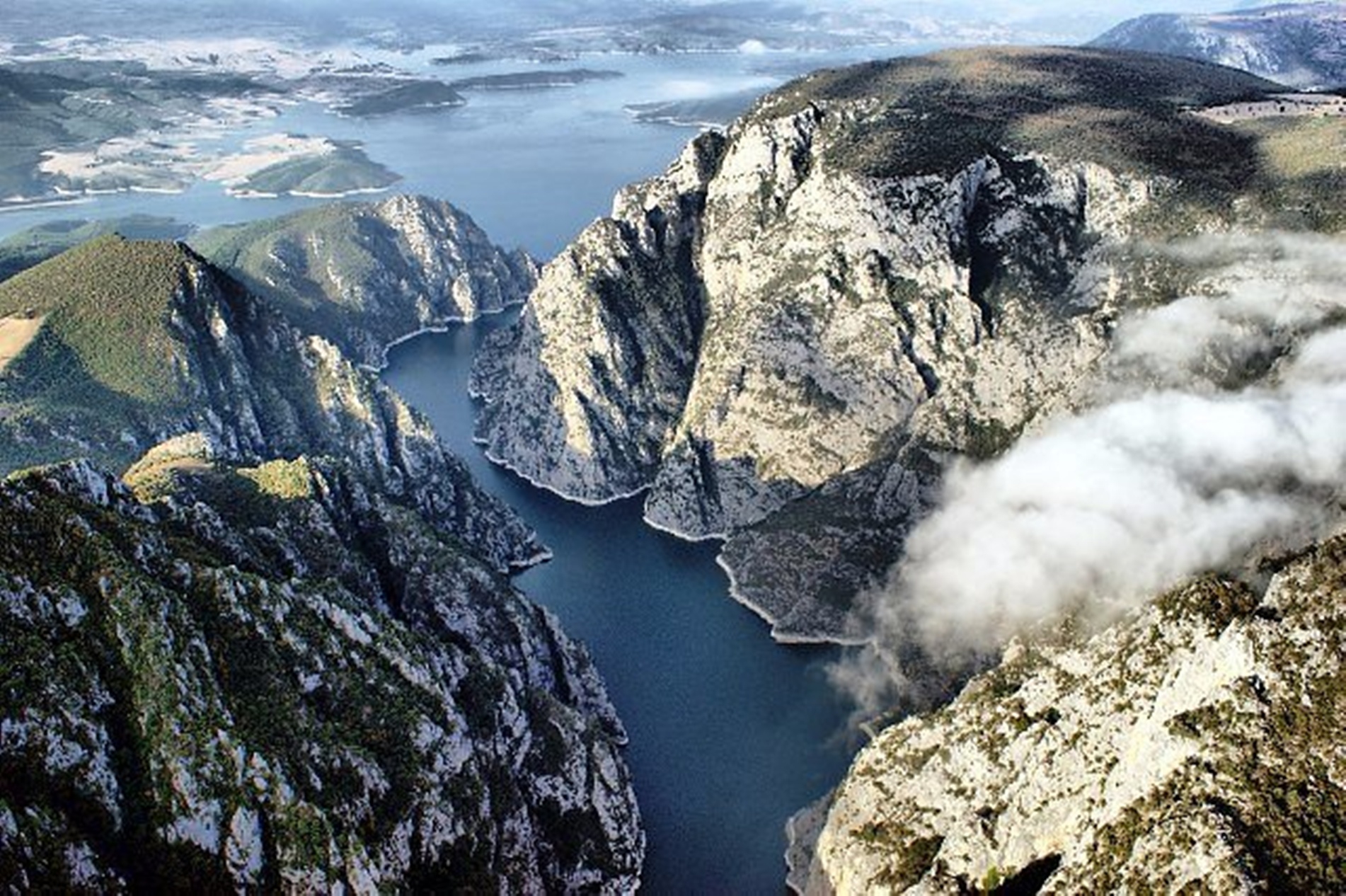
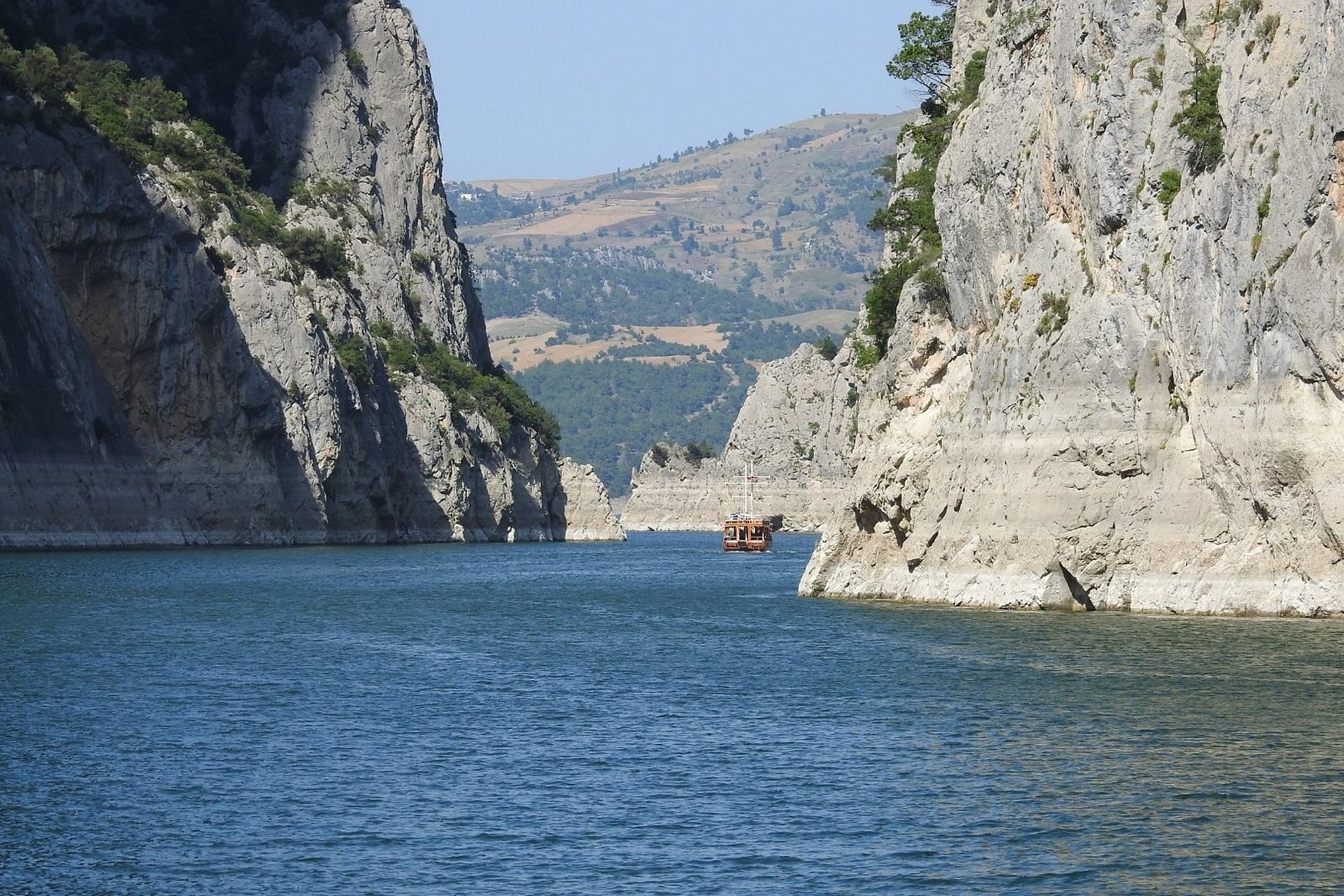
Vezirköprü ilçesinde bulunan ve Türkiye’nin 2’nci büyük su kanyonu unvanını taşıyan Şahinkaya Kanyonu, tabii güzelliği ile insanlara doyumsuz bir manzara sunuyor. İlçeye 13 km uzaklıkta olan Şahinkaya Kanyonu, yerli ve yabancı turistler tarafından sık sık ziyaret ediliyor. Kızılırmak’ın turkuaz rengi sularında, sarp kayalıklar arasından kendine yol bulan gizemli geçit Şahin Kaya Kanyonu , heybetiyle görenleri büyülüyor. Yaklaşık 1500 metre uzunluğundaki kanyon doğa ve fotoğraf tutkunlarını kendine hayran bırakacak güzellikleri barındırıyor. Samsun’un gözbebeği haline gelen kanyon ziyaretçilerine doğa yürüyüşü, kano, tekne turu ve kamp imkanını bir arada sunuyor.
Konum
Adres: Boats for canyon, Vezirköprü, Samsun, Karadeniz Bölgesi, Türkiye
Ziyaret Gün ve Saatleri
Aşağıda belirtilen gün ve saatler arasında ziyarete açıktır.
Erişilebilirlik Özellikleri
Engelsiz erişim imkânlarının ve rehber hizmetlerinin bulunup bulunmadığı bilgisine yer verilmiştir.
- Engelsiz Erişim
- Rehberlik Hizmeti
Ziyaret Notları
Şahinkaya Kanyonu, randevu alınmadan ziyaret edilebilmektedir. Ziyaretler için bir ücret ödemesi yapılmamaktadır. Ziyaretlerin bahar ve yaz aylarında yapılması önerilmektedir. Kanyon tekne turları alanına kadar ulaşım araçlarla sağlanabilmektedir. Kanyon zirvesine ulaşım için belediye tarafından yeni açılan patika yol takip edilmelidir. Yürüyüş esnasında, yürüme parkurunun dışına çıkılmamalıdır. Ziyaretçilerin mevsime uygun giyinmesi, zemine uygun ayakkabı giymesi tavsiye edilir. Küçük yaş grubu öğrencilerimiz için güvenlik açısından yürüyüş yolu pek önerilmez. Alerji rahatsızlığı olan ziyaretçiler, gerekli önlemleri alarak ziyaret alanına girmelidirler. Ziyaret alanı çevresinin kirletilmemesi çevrenin korunması açısından önem teşkil etmektedir. Ziyaret alanında ücretli restoran ve kafe alanları mevcuttur. Ziyaretçilerimiz ayrıca ücretli tekne turalarından yararlanarak kanyon içinde ulaşım sağlayabilirler.
İletişim Bilgileri
Öğrenme Çıktıları
- SAB.11. Merak ettiği coğrafi olay/ olgu ve mekân/durumlara yönelik sorular sorabilme
- SAB.12. Coğrafi gözlem ve saha çalışmasını gerçekleştirebilmek için gerekli olan hazırlığı yapabilme
- SAB.13. Coğrafi gözlem ve çalışma sahasında planlanan çalışmaları uygulayabilme
- SAB.14. Coğrafi gözlem ve çalışma sahasından elde edilen sonuçları sözlü/görsel yolla raporlaştırabilme
- SAB.4.Yakın çevresindeki yaşantılardan yola çıkarak merak ettiği konulara yönelik sorular sorabilme
- SAB.5. Merak ettiği konuya yönelik kaynakları inceleyebilme
- SAB.6. Geçmişte veya günümüzde yakın çevresinde gerçekleşen bir olay/konu/durumla ilgili kaynaklardan dinlediklerini/izlediklerini kendi ifadeleriyle yorumlayabilme
- FAB. 7. Günlük hayatındaki fene yönelik olaylar hakkında gözlemlerine dayalı basit düzeyde bilimsel çıkarımlar yapabilme
- FAB.1. Günlük yaşamında fene yönelik olaylara/olgulara ve durumlara yönelik bilimsel gözlem yapabilme
- FAB.3. Günlük yaşamında fen olaylarına yönelik bilimsel gözleme dayalı tahminlerde bulunabilme
- HB.1.4.1. Yaşadığı yerin ve ülkemizin genel özelliklerini açıklayabilme
- HB.1.5.1. Yakın çevresinde bulunan doğadaki varlıkları gözlemleyebilme
- HB.1.6.1. Bilimle ilgili merak ettiklerini sorabilme
- T.D.1.1. Dinleme/izlemeyi yönetebilme
- T.D.1.2. Dinledikleri/izledikleri ile ilgili anlam oluşturabilme
- T.D.1.3. Dinlediklerini/izlediklerini çözümleyebilme
- T.D.1.4. Dinleme/izleme sürecini değerlendirebilme
- T.K.1.2. Konuşmalarında içerik oluşturabilme
- T.K.1.3. Konuşma kurallarını uygulayabilme
- T.D.1.1. Dinleme/izlemeyi yönetebilme
- T.D.1.2. Dinledikleri/izledikleri ile ilgili anlam oluşturabilme
- T.D.1.3. Dinlediklerini/izlediklerini çözümleyebilme
- T.K.1.1. Konuşmalarını yönetebilme
- T.K.1.2. Konuşmalarında içerik oluşturabilme
- T.K.1.3. Konuşma kurallarını uygulayabilme
- HB.2.4.1. Yakın çevresinde bulunan tarihî mekân ve doğal güzellikleri belirleyebilme
- HB.2.5.1. Hava olayları ve mevsimler arasındaki ilişkiyi çözümleyebilme
- HB.2.5.2. Doğadan yararlanarak yönünü belirleyebilme
- HB.2.5.4. Kaynakları tasarruflu kullanmanın önemini değerlendirebilme
- T.D.2.1. Dinleme/izlemeyi yönetebilme
- T.D.2.2. Dinledikleri/izledikleri ile ilgili anlam oluşturabilme
- T.D.2.3. Dinlediklerini/izlediklerini çözümleyebilme
- T.K.2.1. Konuşmalarını yönetebilme
- T.K.2.2. Konuşmalarında içerik oluşturabilme
- T.K.2.3. Konuşma kurallarını uygulayabilme
- T.K.2.5. Konuşma sürecini değerlendirebilme
- HB.3.4.1. Yakın çevresindeki tarihî mekân ve doğal güzelliklerin korunmasının önemini fark edebilme
- HB.3.5.1. Doğadaki varlıkların insan yaşamı için önemini yorumlayabilme
- HB.3.5.2. Krokiyi kullanarak bulunduğu yerin konumunu algılayabilme
- HB.3.5.4. Çevresel sürdürülebilirliğe yönelik kaynaklardan bilgi toplayabilme
- T.D.3.1. Dinlemeyi/izlemeyi yönetebilme
- T.D.3.2. Dinledikleri/izledikleri ile ilgili anlam oluşturabilme
- T.D.3.3. Dinlediklerini/izlediklerini çözümleyebilme
- T.D.3.5. Dinleme/izleme sürecini değerlendirebilme
- T.K.3.1. Konuşmalarını yönetebilme
- T.K.3.2. Konuşmalarında içerik oluşturabilme
- T.K.3.3. Konuşma kurallarını uygulayabilme
- T.K.3.5. Konuşma sürecini değerlendirebilme
- SB.4.3.3. Yakın çevresindeki ortak miras ögelerini tanımanın önemini yorumlayabilme
- SB.4.5.1. Doğal kaynakların tüketimi ile ilgili grafik yorumlayabilme
- T.D.4.1. Dinleme/izlemeyi yönetebilme
- T.D.4.2. Dinledikleri/izledikleri ile ilgili anlam oluşturabilme
- T.D.4.3. Dinlediklerini/izlediklerini çözümleyebilme
- T.K.4.1. Konuşmalarını yönetebilme
- T.K.4.2. Konuşmalarında içerik oluşturabilme
- T.K.4.3. Konuşma kurallarını uygulayabilme
- DKAB.4.2.1. Allah’ın (cc) birliğini ve yüceliğini kavrayabilme
- FB.4.8.1. Sürdürülebilir bir yaşam alanı kurmaya ilişkin bilimsel sorgulama yapabilme
- FB.4.1.1. Bilimin özellikleri ile ilgili yansıtma yapabilme
- FB.4.1.2. Bilgi kaynağının güvenilirliğini sorgulayabilme
- SB.5.3.1. Yaşadığı ildeki ortak miras ögelerine ilişkin oluşturduğu ürünü paylaşabilme
- SB.5.5.1. Kaynakları verimli kullanmanın doğa ve insanlar üzerindeki etkisini yorumlayabilme
- DKAB.5.1.1. Evrendeki mükemmel düzene ilişkin akıl yürütebilme
- DKAB.5.1.2. Evrendeki mükemmel düzeni gözlem yoluyla fark edip Allah’ın (cc) varlığı ve birliğini gözleme dayalı tahmin edebilme
- FB.5.3.1.1. Bitki ve hayvan hücrelerini temel kısımları ve özellikleri açısından karşılaştırabilme
- FB.5.7.1.2. Kaynakların etkili kullanımı konusunda geri dönüşümün önemli olduğuna yönelik bilimsel çıkarımda bulunabilme
- ENG.5.4.L1. Students can get ready for the listening/watching-comprehension process for the current content on “family life with family members’ routines; family members’ hobbies and activities” carefully.
- ENG.5.4.L2. Students can bring information about the current content on “family life with family members’ routines; family members’ hobbies and activities” together through significant details and main components while listening/watching it.
- ENG.5.4.L3. Students can make meaning of/derive meaning from the current content on “family life with family members’ routines; family members’ hobbies and activities” through significant details by listening/watching it carefully.
- ENG.5.4.L4. Students can convey their knowledge, experience, thoughts, and feelings examined carefully about the whole listening/watching-comprehension process in relation to the current content on “family life with family members’ routines; family members’ hobbies and activities”.
- ENG.5.4.P1. Students can select and use the target phonological elements of the current content about “family life with family members’ routines; family members’ hobbies and activities” accurately, authentically, and naturally through spontaneous decision-making processes and use it in an appropriate and effective way when communicating with others.
- ENG.5.4.R1. Students can get ready for the writing-comprehension process about the current content on “family life with family members’ routines; family members’ hobbies and activities”.
- ENG.5.4.R2. Students can bring information about the current content on “family life with family members’ routines; family members’ hobbies and activities” through skimming (looking quickly at) the audio-visual elements and reading the content very quickly.
- ENG.5.4.R3. Students can make meaning of / derive meaning from the current content about “family life with family members’ routines; family members’ hobbies and activities” by reading it carefully.
- ENG.5.4.R4. Students can convey their knowledge, experiences, thoughts, and feelings related to the reading-comprehension process about the current content, “family life with family members’ routines; family members’ hobbies and activities” in relation to themselves or others, both individually and/or with others.
- ENG.5.4.V1. Students can select and use the target vocabulary of the current content about “family life with family members’ routines; family members’ hobbies and activities” accurately, authentically, spontaneously, and naturally and use it appropriately and effectively when communicating with others.
- ENG.5.4.G1. Students can select and use the target grammatical elements of the current content about “family life with family members’ routines; family members’ hobbies and activities” accurately, authentically, spontaneously, and naturally and use it appropriately and effectively when communicating with others.
- ENG.5.4.W1. . Students can get ready for the writing-expression process about the current content on “family life with family members’ routines; family members’ hobbies and activities”.
- ENG.5.4.S1. Students can get ready for speaking-expression process about the current content on “family life with family members’ routines; family members’ hobbies and activities”.
- ENG.5.5.L1. Students can get ready for the listening/watching-comprehension process for the current content on “life in the neighbourhood and city with places for recreation and attractions in the neighbourhood and city ; different types of houses” carefully.
- ENG.5.5.L2. Students can bring information about the current content on “life in the neighbourhood and city with places for recreation and attractions in the neighbourhood and city ; different types of houses” together through significant details and main components while listening/ watching it.
- ENG.5.5.L3. Students can make meaning of/derive meaning from the current content on “life in the neighbourhood and city with places for recreation and attractions in the neighbourhood and city ; different types of houses” through significant details by listening/watching it carefully.
- ENG.5.5.L4. Students can convey their knowledge, experience, thoughts, and feelings examined carefully about the whole listening/watching-comprehension process in relation to the current content on “life in the neighbourhood and city with places for recreation and attractions in the neighbourhood and city ; different types of houses”.
- ENG.5.5.P1. Students can select and use the target phonological elements of the current content about “life in the neighbourhood and city with places for recreation and attractions in the neighbourhood and city ; different types of houses” accurately, authentically, and naturally through spontaneous decision-making processes and use it in an appropriate and effective way when communicating with others.
- ENG.5.5.R1. Students can get ready for the reading-comprehension process about the current content on “life in the neighbourhood and city with places for recreation and attractions in the neighbourhood and city ; different types of houses”.
- ENG.5.5.R3. Students can bring information about the current content on “life in the neighbourhood and city with places for recreation and attractions in the neighbourhood and city ; different types of houses” through skimming (looking quickly at) the audio-visual elements and reading the content very quickly.
- ENG.5.5.R2. Students can bring information about the current content on “life in the neighbourhood and city with places for recreation and attractions in the neighbourhood and city ; different types of houses” through skimming (looking quickly at) the audio-visual elements and reading the content very quickly.
- ENG.5.5.R4. Students can convey their knowledge, experiences, thoughts, and feelings related to the reading-comprehension process about the current content, “life in the neighbourhood and city with places for recreation and attractions in the neighbourhood and city ; different types of houses” in relation to themselves or others, both individually and/or with others.
- ENG.5.5.V1. Students can select and use the target vocabulary of the current content about “life in the neighbourhood and city with places for recreation and attractions in the neighbourhood and city ; different types of houses” accurately, authentically, spontaneously, and naturally and use it appropriately and effectively when communicating with others.
- ENG.5.5.G1. Students can select and use the target grammatical elements of the current content about “life in the neighbourhood and city with places for recreation and attractions in the neighbourhood and city ; different types of houses” accurately, authentically, spontaneously, and naturally and use it appropriately and effectively when communicating with others.
- ENG.5.5.W1. Students can get ready for the writing-expression process about the current content on “life in the neighbourhood and city with places for recreation and attractions in the neighbourhood and city ; different types of houses”.
- ENG.5.5.S1. Students can get ready for speaking-expression process about the current content on “life in the neighbourhood and city with places for recreation and attractions in the neighbourhood and city ; different types of houses”.
- ENG5.7.L1. Students can get ready for the listening/watching-comprehension process for the current content on “life in nature with types of animals in nature; wild animals in nature; their habitats” carefully.
- ENG5.7.L2. Students can bring information about the current content on “life in nature with types of animals in nature; wild animals in nature; their habitats” together through significant details and main components while listening/watching it.
- ENG5.7.L3. Students can make meaning of/derive meaning from the current content on “life in nature with types of animals in nature; wild animals in nature; their habitats” through significant details by listening/watching it carefully.
- ENG5.7.L4. Students can convey their knowledge, experience, thoughts, and feelings examined carefully about the whole listening/watching-comprehension process in relation to the current content on “life in nature with types of animals in nature; wild animals in nature; their habitats”.
- ENG5.7.P1. Students can select and use the target phonological elements of the current content about “life in nature with types of animals in nature; wild animals in nature; their habitats” accurately, authentically, and naturally through spontaneous decision-making processes and use it in an appropriate and effective way when communicating with others.
- ENG5.7.R1. Students can get ready for the reading-comprehension process about the current content on “life in nature with types of animals in nature; wild animals in nature; their habitats”.
- ENG5.7.R2. Students can bring information about the current content on “life in nature with types of animals in nature; wild animals in nature; their habitats” through skimming (looking quickly at) the audio-visual elements and reading the content very quickly.
- ENG5.7.R3. Students can make meaning of / derive meaning from the current content about “life in nature with types of animals in nature; wild animals in nature; their habitats” by reading it carefully.
- ENG5.7.R4. Students can convey their knowledge, experiences, thoughts, and feelings related to the reading-comprehension process about the current content, “life in nature with types of animals in nature; wild animals in nature; their habitats” in relation to themselves or others, both individually and/or with others.
- ENG5.7.V1. Students can select and use the target vocabulary of the current content about “life in nature with types of animals in nature; wild animals in nature; their habitats” accurately, authentically, spontaneously, and naturally and use it appropriately and effectively when communicating with others.
- ENG5.7.G1. Students can select and use the target grammatical elements of the current content about “life in nature with types of animals in nature; wild animals in nature; their habitats” accurately, authentically, spontaneously, and naturally and use it appropriately and effectively when communicating with others.
- ENG5.7.W1. Students can get ready for the writing-expression process about the current content on “life in nature with types of animals in nature; wild animals in nature; their habitats”.
- ENG5.7.S1. Students can get ready for speaking-expression process about the current content on “life in nature with types of animals in nature; wild animals in nature; their habitats”.
- ENG.5.5.L1. Students can get ready for the listening/watching-comprehension process for the current content on “life in the neighbourhood and city with attractions and recreational places, services, and transportation in the neighbourhood and the city” carefully.
- ENG.5.5.L2. Students can bring information about the current content on “life in the neighbourhood and city with attractions and recreational places, services, and transportation in the neighbourhood and the city” together through significant details and main components while listening (to)/ watching it.
- ENG.5.5.L3. Students can make meaning of/derive meaning from the current content on “life in the neighbourhood and city with attractions and recreational places, services, and transportation in the neighbourhood and the city” through significant details by listening (to)/watching it carefully.
- ENG.5.5.L4. Students can convey their knowledge, experience, thoughts, and feelings examined carefully about the whole listening/watching-comprehension process in relation to the current content on “life in the neighbourhood and city with attractions and recreational places, services, and transportation in the neighbourhood and the city”.
- ENG.5.5.P1. Students can select and use the target phonological elements of the current content about “life in the neighbourhood and city with attractions and recreational places, services, and transportation in the neighbourhood and the city” accurately, authentically, and naturally through spontaneous decision-making processes and use it in an appropriate and effective way when communicating with others.
- ENG.5.5.R1. Students can get ready for the reading-comprehension process about the current content on “life in the neighbourhood and city with attractions and recreational places, services, and transportation in the neighbourhood and the city”.
- ENG.5.5.R2. Students can bring information about the current content on “life in the neighbourhood and city with attractions and recreational places, services, and transportation in the neighbourhood and the city” through skimming (looking quickly at) the audio-visual elements and reading the content very quickly.
- ENG.5.5.R3. Students can make meaning of / derive meaning from the current content about “life in the neighbourhood and city with attractions and recreational places, services, and transportation in the neighbourhood and the city” by reading it carefully.
- ENG.5.5.R4. Students can convey their knowledge, experiences, thoughts, and feelings related to the reading-comprehension process about the current content, “life in the neighbourhood and city with attractions and recreational places, services, and transportation in the neighbourhood and the city” in relation to themselves or others, both individually and/or with others.
- ENG.5.5.V1. Students can select and use the target vocabulary of the current content about “life in the neighbourhood and city with attractions and recreational places, services, and transportation in the neighbourhood and the city” accurately, authentically, spontaneously, and naturally and use it appropriately and effectively when communicating with others.
- ENG.5.5.G1. Students can select and use the target grammatical elements of the current content about “life in the neighbourhood and city with attractions and recreational places, services, and transportation in the neighbourhood and the city” accurately, authentically, spontaneously, and naturally and use it appropriately and effectively when communicating with others.
- ENG.5.5.W1. Students can get ready for the writing-expression process about the current content on “life in the neighbourhood and city with attractions and recreational places, services, and transportation in the neighbourhood and the city”.
- ENG.5.5.S1. Students can get ready for speaking-expression process about the current content on “life in the neighbourhood and city with attractions and recreational places, services, and transportation in the neighbourhood and the city”.
- ENG.5.7.L1. Students can get ready for the listening/watching-comprehension process for the current content on “life in nature with animals in nature and habitats; daily activities and nature; activities in nature” carefully.
- ENG.5.7.L2. Students can bring information about the current content on “life in nature with animals in nature and habitats; daily activities and nature; activities in nature” together through significant details and main components while listening (to)/watching it.
- ENG.5.7.L3. Students can make meaning of/derive meaning from the current content on “life in nature with animals in nature and habitats; daily activities and nature; activities in nature” through significant details by listening (to)/watching it carefully.
- ENG.5.7.L4. Students can convey their knowledge, experience, thoughts, and feelings examined carefully about the whole listening/watching-comprehension process in relation to the current content on “life in nature with animals in nature and habitats; daily activities and nature; activities in nature”.
- ENG.5.7.P1. Students can select and use the target phonological elements of the current content about “life in nature with animals in nature and habitats; daily activities and nature; activities in nature” accurately, authentically, and naturally through spontaneous decision-making processes and use it in an appropriate and effective way when communicating with others.
- ENG.5.7.R1. Students can get ready for the reading-comprehension process about the current content on “life in nature with animals in nature and habitats; daily activities and nature; activities in nature”.
- ENG.5.7.R2. Students can bring information about the current content on “life in nature with animals in nature and habitats; daily activities and nature; activities in nature” through skimming (looking quickly at) the audio-visual elements and reading the content very quickly.
- ENG.5.7.R3. Students can make meaning of / derive meaning from the current content about “life in nature with animals in nature and habitats; daily activities and nature; activities in nature” by reading it carefully.
- ENG.5.7.R4. Students can convey their knowledge, experiences, thoughts, and feelings related to the reading-comprehension process about the current content, “life in nature with animals in nature and habitats; daily activities and nature; activities in nature” in relation to themselves or others, both individually and/or with others.
- ENG.5.7.V1. Students can select and use the target vocabulary of the current content about “life in nature with animals in nature and habitats; daily activities and nature; activities in nature” accurately, authentically, spontaneously, and naturally and use it appropriately and effectively when communicating with others.
- ENG.5.7.G1. Students can select and use the target grammatical elements of the current content about “life in nature with animals in nature and habitats; daily activities and nature; activities in nature” accurately, authentically, spontaneously, and naturally and use it appropriately and effectively when communicating with others.
- ENG.5.7.W1. Students can get ready for the writing-expression process about the current content on “life in nature with animals in nature and habitats; daily activities and nature; activities in nature”.
- ENG.5.7.S1. Students can get ready for speaking-expression process about the current content on “life in nature with animals in nature and habitats; daily activities and nature; activities in nature”.
- SB.6.5.1. Ülkemizin kaynakları ile ekonomik faaliyetler arasındaki ilişkiyi çözümleyebilme
- FB.6.3.1.1. Eşeyli ve eşeysiz üremeyi karşılaştırabilme
- FB.6.3.1.2. Bitkilerde üreme, büyüme ve gelişme hakkında bilimsel çıkarım yapabilme
- FB.6.3.1.3. Tohumun çimlenmesine etki eden faktörlere ilişkin hipotez oluşturabilme
- FB.6.3.1.4. Hayvanlarda üreme, büyüme ve gelişme hakkında bilimsel çıkarım yapabilme
- FB.6.7.1.1. Biyoçeşitliliğin doğal yaşam için önemini sorgulayabilme
- FB.6.7.1.2. Biyoçeşitliliği tehdit eden faktörleri araştırma verilerine dayalı tahmin edebilme
- ENG.6.5.L1. Students can get ready for the listening/watching-comprehension process for the current content on “life in the neighbourhood, city and social life with different lifestyles in the city and rural areas; sports events in the city and rural areas” carefully.
- ENG.6.5.L2. Students can bring information about the current content on “life in the neighbourhood, city and social life with different lifestyles in the city and rural areas; sports events in the city and rural areas” together through significant details and main components while listening (to)/ watching it.
- ENG.6.5.L3. Students can make meaning of/derive meaning from the current content on “life in the neighbourhood, city and social life with different lifestyles in the city and rural areas; sports events in the city and rural areas” through significant details by listening (to)/watching it carefully.
- ENG.6.5.L4. Students can convey their knowledge, experience, thoughts, and feelings examined carefully about the whole listening/watching-comprehension process in relation to the current content on “life in the neighbourhood, city and social life with different lifestyles in the city and rural areas; sports events in the city and rural areas”.
- ENG.6.5.P1. Students can select and use the target phonological elements of the current content about “life in the neighbourhood, city and social life with different lifestyles in the city and rural areas; sports events in the city and rural areas” accurately, authentically, and naturally through spontaneous decision-making processes and use it in an appropriate and effective way when communicating with others.
- ENG.6.5.R1. Students can get ready for the reading-comprehension process about the current content on “life in the neighbourhood, city and social life with different lifestyles in the city and rural areas; sports events in the city and rural areas”.
- ENG.6.5.R2. Students can bring information about the current content on “life in the neighbourhood, city and social life with different lifestyles in the city and rural areas; sports events in the city and rural areas” through skimming (looking quickly at) the audio-visual elements and reading the content very quickly.
- ENG.6.5.R3. Students can make meaning of / derive meaning from the current content about “life in the neighbourhood, city and social life with different lifestyles in the city and rural areas; sports events in the city and rural areas” by reading it carefully.
- ENG.6.5.R4. Students can convey their knowledge, experiences, thoughts, and feelings related to the reading-comprehension process about the current content, “life in the neighbourhood, city and social life with different lifestyles in the city and rural areas; sports events in the city and rural areas” in relation to themselves or others, both individually and/or with others.
- ENG.6.5.V1. Students can select and use the target vocabulary of the current content about “life in the neighbourhood, city and social life with different lifestyles in the city and rural areas; sports events in the city and rural areas” accurately, authentically, spontaneously, and naturally and use it appropriately and effectively when communicating with others.
- ENG.6.5.G1. Students can select and use the target grammatical elements of the current content about “life in the neighbourhood, city and social life with different lifestyles in the city and rural areas; sports events in the city and rural areas” accurately, authentically, spontaneously, and naturally and use it appropriately and effectively when communicating with others.
- ENG.6.5.W1. Students can get ready for the writing-expression process about the current content on “life in the neighbourhood, city and social life with different lifestyles in the city and rural areas; sports events in the city and rural areas”.
- ENG.6.5.S1. Students can get ready for speaking-expression process about the current content on “life in the neighbourhood, city and social life with different lifestyles in the city and rural areas; sports events in the city and rural areas”.
- SB.7.5.1. Millî kalkınma hamlelerini neden ve sonuçlarıyla yorumlayabilme
- SB.7.6.1. Bilimsel ve teknolojik gelişmelerin gelecekteki toplum hayatına etkilerine ilişkin öngörüde bulunabilme
- FB.7.7.1.1. Besin zincirindeki canlıları arasındaki ilişkileri yapılandırabilme
- FB.7.7.2.1. Kaynakların tasarruflu kullanımının önemini sorgulayabilme
- ENG.7.7.L1 . Students can prepare and get ready for listening (to)/watching about the current content on “life in nature with animals and natural resources in nature; protecting animals and nature”.
- ENG.7.7.L3. Students can make sense of and derive meaning from the current content on “life in nature with animals and natural resources in nature; protecting animals and nature”.
- ENG.7.7.L2. Students can bring together the information in the current content on “life in nature with animals and natural resources in nature; protecting animals and nature”.
- ENG.7.7.L4. Students can reflect on the information, experiences, thoughts, ideas, and feelings related to the listening (to)/watching process about the current content on “life in nature with animals and natural resources in nature; protecting animals and nature” in relation to themselves or others, both individually and/or with others.
- ENG.7.7.P1. Students can select and use target phonological aspects such as pronunciation and intonation of target sounds, words, phrases, clauses, and sentences in utterances authentically, naturally, and accurately in the current content about “life in nature with animals and natural resources in nature; protecting animals and nature” to develop holistic and conscious pronunciation skills after recognising them in context.
- ENG.7.7.R1. Students can prepare for reading the content on “life in nature with animals and natural resources in nature; protecting animals and nature” efficiently and effectively.
- ENG.7.7.R2 . Students can bring information together about the current content on “life in nature with animals and natural resources in nature; protecting animals and nature” through skimming, scanning and detailed reading.
- ENG.7.7.R3. Students can make sense of and derive meaning from the current content on “life in nature with animals and natural resources in nature; protecting animals and nature”.
- ENG.7.7.R4. Students can reflect on the information, experiences, thoughts, ideas, and feelings related to the reading process about the current content on “life in nature with animals and natural resources in nature; protecting animals and nature” in relation to themselves or others, both individually and/or with others.
- ENG.7.7.V1. Students can select and use target vocabulary efficiently, effectively, and accurately, based on the current content about “life in nature with animals and natural resources in nature; protecting animals and nature” after recognising them in context and developing their conscious and inductive vocabulary learning skills.
- ENG.7.7.G1. Students can select and use target grammatical language items efficiently, effectively, and accurately, based on the current content about “life in nature with animals and natural resources in nature; protecting animals and nature”, after recognising them in context and developing their conscious and inductive grammaring skills through consciousness-raising and discovery.
- ENG.7.7.W1. Students can prepare for writing efficiently and accurately based on the current content about “life in nature with animals and natural resources in nature; protecting animals and nature”.
- ENG.7.7.S1. Students can prepare themselves to speak meaningfully, fluently, and efficiently about the current content on “life in nature with animals and natural resources in nature; protecting animals and nature”.
- T.D.8.1. Dinlemede/izlemede materyal seçimini yönetebilme
- T.D.8.6. Görselle iletilen anlamı belirleyebilme
- T.D.8.17. Bilgilendirici metinde düşünceyi geliştirme yollarını belirlemeye yönelik çözümleme yapabilme
- T.D.8.21. Çoklu ortam ögelerine yönelik çözümleme yapabilme
- T.D.8.22. Dinlediğini/izlediğini özetleyebilme
- T.D.8.24. Medya içeriğini değerlendirebilme
- T.D.8.27. Dinleme/izleme sürecine yönelik öz yansıtma yapabilme/kendini uyarlayabilme
- T.K.8.1. Konuşma sürecini yönetebilme
- T.K.8.5. Konuşmasında uygun tepki verebilme
- T.K.8.6. Konuşmasında çoklu ortam ögeleriyle içerik oluşturabilme
- T.K.8.11. Konuşmasında tahminlerinden yararlanabilme
- T.K.8.14. Yorumunu sözlü olarak ifade edebilme
- T.K.8.20. Hazırlıklı konuşmasını yapılandırabilme
- T.K.8.24. Uygun geçiş ve bağlantı ifadelerini kullanabilme
- T.K.8.26. Konuşma sürecine yönelik öz yansıtma yapabilme/kendini uyarlayabilme
- FB.8.1.1.1. Dünya’nın Güneş etrafındaki hareketi ve eksen eğikliğinin sonuçları ile ilgili bilimsel çıkarım yapabilme
- FB.8.1.2.1. İklim ve hava olaylarını karşılaştırabilme
- FB.8.7.1.1. Bitkilerde besin üretiminde fotosentezin önemini yapılandırabilme
- FB.8.7.1.2. Fotosentez hızını etkileyen faktörler ile ilgili hipotez oluşturabilme
- ENG.8.5.L1. Students can prepare and get ready for listening (to)/watching about the current content on “life in the neighbourhood and city including social life with sports events in the city and rural areas; pros and cons of living in rural areas and in the city”.
- ENG.8.5.L2. Students can bring together the information in the current content on “life in the neighbourhood and city including social life with sports events in the city and rural areas; pros and cons of living in rural areas and in the city”.
- ENG.8.5.L3. Students can make sense of and derive meaning from the current content on “life in the neighbourhood and city including social life with sports events in the city and rural areas; pros and cons of living in rural areas and in the city”.
- ENG.8.5.L4. Students can reflect on the information, experiences, thoughts, ideas, and feelings related to the listening (to)/watching process about the current content on “life in the neighbourhood and city including social life with sports events in the city and rural areas; pros and cons of living in rural areas and in the city” in relation to themselves or others, both individually and/ or with others.
- ENG.8.5.P1. Students can select and use target phonological aspects such as pronunciation and intonation of target sounds, words, phrases, clauses, and sentences in utterances authentically, naturally, and accurately in the current content about “life in the neighbourhood and city including social life with sports events in the city and rural areas; pros and cons of living in rural areas and in the city” to develop holistic and conscious pronunciation skills after recognising them in context.
- ENG.8.5.R1. Students can prepare for reading the content on “life in the neighbourhood and city including social life with sports events in the city and rural areas; pros and cons of living in rural areas and in the city” efficiently and effectively.
- ENG.8.5.R2. Students can bring information together about the current content on “life in the neighbourhood and city including social life with sports events in the city and rural areas; pros and cons of living in rural areas and in the city” through skimming, scanning and detailed reading.
- ENG.8.5.R3. Students can make sense of and derive meaning from the current content on “life in the neighbourhood and city including social life with sports events in the city and rural areas; pros and cons of living in rural areas and in the city”.
- ENG.8.5.R4. Students can reflect on the information, experiences, thoughts, ideas, and feelings related to the reading process about the current content on “life in the neighbourhood and city including social life with sports events in the city and rural areas; pros and cons of living in rural areas and in the city” in relation to themselves or others, both individually and/or with others.
- ENG.8.5.V1. Students can select and use target vocabulary efficiently, effectively, and accurately, based on the current content about “life in the neighbourhood and city including social life with sports events in the city and rural areas; pros and cons of living in rural areas and in the city” after recognising them in context and developing their conscious and inductive vocabulary learning skills.
- ENG.8.5.G1. Students can select and use target grammatical language items efficiently, effectively, and accurately, based on the current content about “life in the neighbourhood and city including social life with sports events in the city and rural areas; pros and cons of living in rural areas and in the city”, after recognising them in context and developing their conscious and inductive grammaring skills through consciousness-raising and discovery.
- ENG.8.5.W1. Students can prepare for writing efficiently and accurately based on the current content about “life in the neighbourhood and city including social life with sports events in the city and rural areas; pros and cons of living in rural areas and in the city”.
- ENG.8.5.S1. Students can prepare themselves to speak meaningfully, fluently, and efficiently about the current content on “life in the neighbourhood and city including social life with sports events in the city and rural areas; pros and cons of living in rural areas and in the city”.